Introduction
Cats are obligate carnivores, meaning they depend on nutrients naturally found in animal tissues. Their bodies require specific amounts of protein, taurine, vitamins, minerals, and essential fatty acids. Because of these needs, many owners consider feeding raw meat to support their cats’ natural dietary requirements. However, a raw diet for cats involves more than serving fresh chicken or beef. It requires careful nutritional planning, hygienic preparation, and an understanding of potential health risks.
Understanding a Raw Diet for Cats (Obligate Carnivores): Recipes and Safety Rules helps owners make informed feeding decisions. Although raw feeding has gained popularity, it does not automatically provide better nutrition than properly formulated commercial food. Raw meat can also carry harmful bacteria and parasites. Therefore, cat owners should understand the benefits, limitations, and safer alternatives before changing their pets’ diets.
Understanding Cats as Obligate Carnivores
Cats evolved to obtain essential nutrients from animal-based foods. Unlike omnivores, they cannot meet all their nutritional requirements through ordinary plant-based ingredients. Their digestive systems are adapted to diets rich in animal protein and specific nutrients.
Taurine is particularly important for feline health. This amino acid supports normal vision, heart function, reproduction, and other essential processes. Cats cannot produce enough taurine naturally, so their diets must provide sufficient amounts.
Cats also require arachidonic acid, preformed vitamin A, and adequate amounts of vitamin B12. Their bodies have limited ability to obtain certain nutrients from plant ingredients. Consequently, feeding muscle meat alone cannot meet their complete nutritional needs.
A carefully formulated diet can contain raw ingredients, but nutritional balance remains essential. Simply copying a wild cat’s feeding habits does not guarantee a healthy domestic diet. Pet cats have different lifestyles, activity levels, and individual health requirements.

What Is a Raw Diet for Cats?
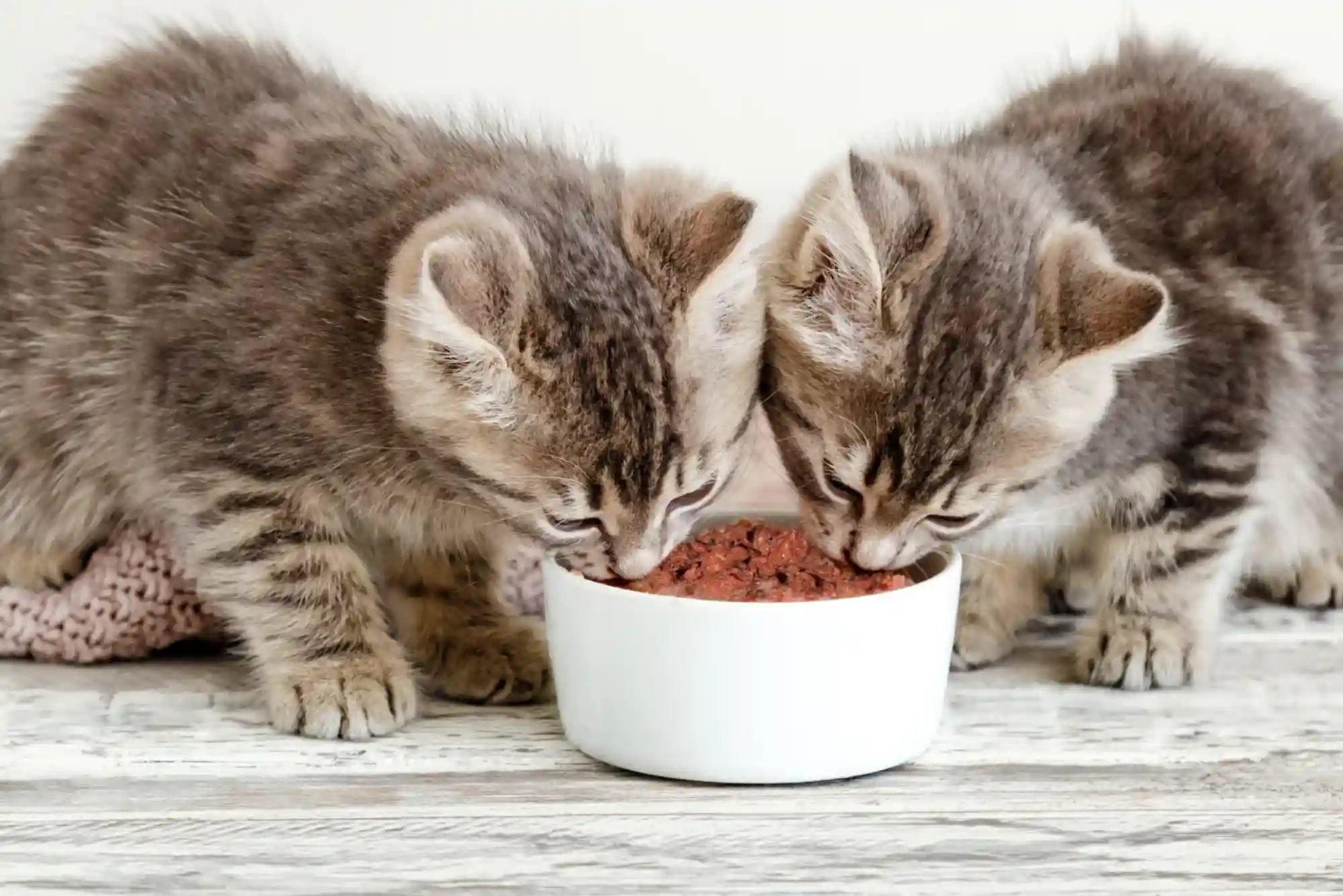
A raw diet generally contains uncooked animal products, including muscle meat, organs, and sometimes edible bones. Some owners prepare meals at home, while others purchase commercially prepared raw products. These diets may be fresh, frozen, freeze-dried, or sold as complete frozen meals.
Homemade raw feeding allows owners to select individual ingredients. However, this approach requires precise formulation to prevent nutritional deficiencies. Commercial products may offer greater convenience, although their nutritional completeness and manufacturing standards vary.
A complete raw diet must provide appropriate quantities of protein, fat, calcium, phosphorus, taurine, and other essential nutrients. The balance between calcium and phosphorus is especially important for healthy bones and normal body functions. Excessive or insufficient amounts can cause serious problems, particularly in growing kittens.
Before selecting raw food, owners should consult a veterinarian with advanced nutrition training. This step is especially important for kittens, pregnant cats, senior pets, and animals with existing health conditions.
Raw Diet for Cats: Recipes and Nutritional Planning
Many owners search for raw cat food recipes because they want greater control over ingredients. However, an internet recipe is not necessarily nutritionally complete. Ingredient proportions, preparation methods, and supplementation can significantly affect the final nutritional value.
Why Muscle Meat Alone Is Not Enough
Chicken breast, turkey, and lean beef provide protein and several important nutrients. Nevertheless, muscle meat alone does not contain every nutrient cats require in the correct proportions. It may contain insufficient calcium and other essential nutrients.
Adding liver does not automatically solve these deficiencies. Liver provides vitamin A and other nutrients, but excessive amounts can create nutritional imbalances. Similarly, adding bones without professional guidance can introduce excessive minerals and physical hazards.
A balanced recipe must account for the nutritional contribution of every ingredient. It must also provide appropriate supplementation based on the complete formulation.
A Safer Recipe Development Approach
Instead of relying on an unverified homemade raw recipe, owners should request a complete formulation from a board-certified veterinary nutritionist or another appropriately qualified veterinary nutrition professional. The recipe should specify ingredient quantities, required supplements, preparation instructions, and appropriate serving amounts.
For example, a professional formulation might use measured poultry or another suitable animal protein alongside carefully calculated sources of essential nutrients. Any required supplements would be selected according to the recipe’s nutritional analysis.
This approach differs from mixing random portions of meat, liver, and bones. It provides a structured way to meet established feline nutritional requirements while reducing the likelihood of deficiencies.
Owners should follow the prescribed recipe exactly. Substituting ingredients or omitting supplements can change the nutritional balance. A recipe designed for an adult cat may also be unsuitable for a growing kitten.
Raw Feeding Safety Rules Every Cat Owner Should Know
Raw meat can contain Salmonella, Campylobacter, and other harmful microorganisms. These pathogens may affect cats and people who handle contaminated food. Some cats can carry or shed pathogens without showing obvious symptoms.
Therefore, raw feeding requires careful consideration of household hygiene and individual health risks.
Safe Handling and Storage
Raw pet food should remain refrigerated or frozen according to the manufacturer’s instructions. Owners should thaw frozen food safely in the refrigerator rather than leaving it at room temperature. Raw meat should never sit out for extended periods.
Use separate utensils and preparation surfaces for pet food. Wash hands thoroughly with soap and water after handling raw ingredients. Clean and disinfect food bowls, counters, and other surfaces that contact raw meat.
Discard uneaten raw food promptly according to veterinary and product guidance. Do not leave it available throughout the day, particularly in warm environments. Never assume that freezing makes raw meat free from harmful pathogens.
Avoid Dangerous Bones
Cooked bones can splinter and cause choking, intestinal injuries, or digestive obstruction. Raw bones also present risks, including tooth fractures, choking, and gastrointestinal damage.
Ground bones do not eliminate every potential hazard. Their mineral content must also be accounted for when formulating a complete diet. Ask your veterinarian about safer ways to meet your cat’s calcium requirements.
Protect Vulnerable Household Members
Raw feeding deserves additional caution when a household includes young children, older adults, pregnant people, or anyone with a weakened immune system. These individuals may face greater consequences from foodborne infections.
Cats living with vulnerable household members may be better served by a complete cooked diet. A veterinary professional can help select an appropriate alternative that meets the cat’s nutritional requirements.
Potential Benefits and Drawbacks of Raw Cat Food
Supporters of raw feeding often value ingredient control and the ability to customize meals. Some cats may find certain raw products palatable. However, these preferences do not establish that raw food is nutritionally superior.
There is limited high-quality evidence demonstrating that raw diets provide consistent health advantages over complete, balanced commercial diets. Claims about improved coats, digestion, or dental health should therefore be evaluated carefully.
Raw diets can also introduce avoidable nutritional and infectious risks. Improper formulations may cause deficiencies, while contaminated ingredients can expose pets and people to pathogens.
A complete commercial diet that meets recognized feline nutritional standards is often easier to feed safely. Wet food can also provide valuable moisture, supporting overall water intake. The best choice depends on the individual cat’s needs and the quality of the diet.
Choosing a Complete Diet for Your Cat
When evaluating cat food, check whether the product is labeled complete and balanced for the appropriate life stage. Look for a nutritional adequacy statement based on recognized standards, such as those established by the Association of American Feed Control Officials where applicable.
Ask manufacturers about formulation expertise, quality-control testing, pathogen reduction, and ingredient traceability. For raw products, ask whether the company uses validated pathogen-control procedures. A claim that a product is natural or human-grade does not guarantee microbiological safety or nutritional completeness.
Your veterinarian can help assess body condition, calorie requirements, allergies, and medical concerns. Regular weight monitoring can also reveal whether a feeding plan provides too much or too little energy.
If you decide to change foods, discuss the transition with your veterinarian. Monitor appetite, stool consistency, body weight, and energy levels. Contact your veterinarian if your cat develops persistent vomiting, diarrhea, lethargy, or refuses food.
Frequently Asked Questions
Is a raw diet good for obligate carnivores?
Cats need animal-derived nutrients, but they do not specifically require uncooked meat. A complete and balanced cooked or commercial diet can meet their nutritional requirements. Raw feeding introduces additional food-safety concerns without proven overall superiority.
Can cats eat raw chicken every day?
Raw chicken alone is not a complete diet for cats. It may lack sufficient calcium and other essential nutrients. It can also carry harmful bacteria, so regular feeding should not begin without veterinary nutritional guidance.
What is the safest raw food for cats?
No raw food is entirely risk-free. Commercial products formulated to be complete and balanced may offer more reliable nutrient profiles than unverified homemade recipes. However, contamination risks remain, even with commercially prepared raw food.
Do cats need raw meat to stay healthy?
No. Cats need appropriate animal-based nutrients, including taurine and essential amino acids, rather than raw meat specifically. Complete commercial diets can supply these nutrients without requiring owners to prepare uncooked animal products.
Can kittens eat a raw diet?
Kittens have demanding nutritional requirements because they are growing rapidly. Nutritional imbalances can seriously affect bone development and overall health. Any diet for a kitten should be complete and balanced for growth and reviewed with a veterinary professional.
How can I make homemade cat food safely?
Work with a qualified veterinary nutrition professional to develop a complete recipe. Follow its ingredient quantities, supplements, and preparation instructions exactly. Consider a properly formulated cooked diet if raw ingredients create unacceptable food-safety risks.
Conclusion
A raw diet for cats requires careful nutritional planning, responsible food handling, and realistic expectations. Although cats are obligate carnivores, they do not need uncooked meat to obtain essential nutrients. An improperly balanced raw diet can create serious deficiencies, while contaminated ingredients may threaten both pets and their families.