Introduction
Cat dental health is an essential part of your pet’s overall well-being. However, many cat owners overlook dental problems until their pets show noticeable discomfort. Gingivitis and tooth resorption are two common dental conditions that can cause pain, inflammation, and difficulty eating. Understanding the signs of gingivitis and tooth resorption helps you recognize potential problems before they become severe. Although cats often hide pain, small behavioral changes can reveal that something is wrong.
Maintaining good cat dental health requires regular veterinary examinations, appropriate home care, and attention to changes in eating habits. Early diagnosis can make treatment more effective and help your cat remain comfortable. Whether you have a kitten, an adult cat, or a senior companion, understanding these dental conditions is an important step toward providing responsible care.
Understanding Cat Dental Health and Common Problems
A cat’s mouth contains sharp teeth designed for gripping and tearing food. Like humans, cats can develop dental problems when plaque accumulates along the gumline. Plaque is a sticky film containing bacteria that forms naturally on teeth. Without appropriate care, it can contribute to gum inflammation and other oral health complications.
Gingivitis and tooth resorption are particularly important because they can develop without obvious warning signs. Gingivitis affects the gums, while tooth resorption gradually destroys the structure of a tooth. These conditions are different, but they may occur together.
Good cat dental health depends on identifying these problems early. Regular veterinary dental examinations allow professionals to assess the gums, teeth, and surrounding tissues. They can also identify hidden abnormalities that may not be visible during a routine home inspection.
Signs of Gingivitis in Cats
Gingivitis is inflammation of the gums, usually caused by plaque and the bacteria associated with it. Healthy feline gums are generally pink, although natural pigmentation varies between cats. Inflamed gums may appear red, swollen, or irritated, particularly where the teeth meet the gumline.

One of the earliest signs is a red line along the edges of the teeth. You might also notice that your cat becomes uncomfortable when you touch its mouth. Some cats continue eating normally despite inflammation, making the condition easy to overlook.
Bad breath is another possible warning sign. Although a cat’s breath may not smell pleasant after eating, persistent or unusually strong odors can indicate an oral health problem. Bleeding gums, excessive drooling, and reduced interest in dry food may also occur.
As gingivitis progresses, chewing can become uncomfortable. Your cat might eat more slowly, drop pieces of food, or avoid having its face touched. Some cats become irritable or withdraw from normal interactions because of oral pain.
Gingivitis can sometimes be reversible with appropriate professional treatment and improved dental care. However, untreated inflammation may progress to more serious periodontal disease. A veterinarian can determine the severity and recommend the appropriate treatment.
What Is Tooth Resorption in Cats?
Tooth resorption is a painful condition in which the body gradually breaks down a cat’s tooth structure. The process may begin below the gumline, where it remains difficult to detect without veterinary examination and dental imaging.
Unlike ordinary tooth decay, feline tooth resorption involves the destruction of hard dental tissues by cells called odontoclasts. The exact cause is not fully understood. Unfortunately, the condition is relatively common in cats, particularly as they age, although younger cats can also develop it.
A cat with tooth resorption may show subtle signs at first. It might suddenly turn its head while eating, chew on one side of its mouth, or hesitate before taking a bite. Some cats prefer soft food because chewing harder pieces causes discomfort.
Other warning signs include drooling, pawing at the mouth, teeth that appear damaged near the gumline, and reluctance to eat. In some cases, touching an affected tooth causes a sudden jaw movement known as a chattering response.
However, tooth resorption cannot be reliably diagnosed by observing symptoms alone. Affected areas may be hidden beneath the gums, and some cats show almost no outward signs. Veterinary dental radiographs are often necessary to identify the extent of the damage.
There is currently no established treatment that stops the underlying resorption process. Affected teeth usually require extraction or another appropriate surgical approach based on their condition and radiographic findings. Your veterinarian will determine the safest treatment for your cat.
How Gingivitis and Tooth Resorption Differ
Although gingivitis and tooth resorption can both cause oral discomfort, they affect different parts of the mouth. Gingivitis primarily involves inflammation of the gums. Tooth resorption involves the gradual destruction of the tooth itself.
Gingivitis commonly develops when plaque triggers an inflammatory response along the gumline. Professional dental cleaning and appropriate home care can often improve the condition, depending on its severity and any underlying disease.
Tooth resorption is more complicated because the affected dental tissues are progressively destroyed. Brushing cannot reverse this damage, and removing plaque does not eliminate the underlying condition.
Both problems may cause bad breath, drooling, reduced appetite, and changes in chewing behavior. Therefore, owners should avoid assuming that a particular symptom identifies one specific dental condition.
A veterinary examination is the most reliable way to distinguish between these problems. Your veterinarian may recommend a professional cleaning, dental radiographs, blood tests, or treatment under general anesthesia, depending on the findings.
Causes and Risk Factors for Feline Dental Problems
Plaque accumulation is a major contributor to gingivitis. When plaque remains on the teeth, it can harden into tartar and make effective cleaning more difficult. Bacteria and the body’s inflammatory response then contribute to gum irritation.
Poor oral hygiene can increase the likelihood of gum disease. However, dental problems may develop even when owners provide attentive care. Individual susceptibility, existing illnesses, age, and other biological factors can influence oral health.
The causes of tooth resorption remain incompletely understood. Researchers have investigated several possible contributing factors, but no single cause explains every case. Regular dental assessments remain important because there is no dependable home method for preventing this condition entirely.
Cats with previous dental problems may need more frequent veterinary monitoring. Senior cats can also have additional health concerns that affect dental treatment decisions. Nevertheless, dental disease should not be considered an unavoidable consequence of aging.
How Veterinarians Diagnose and Treat Cat Dental Problems
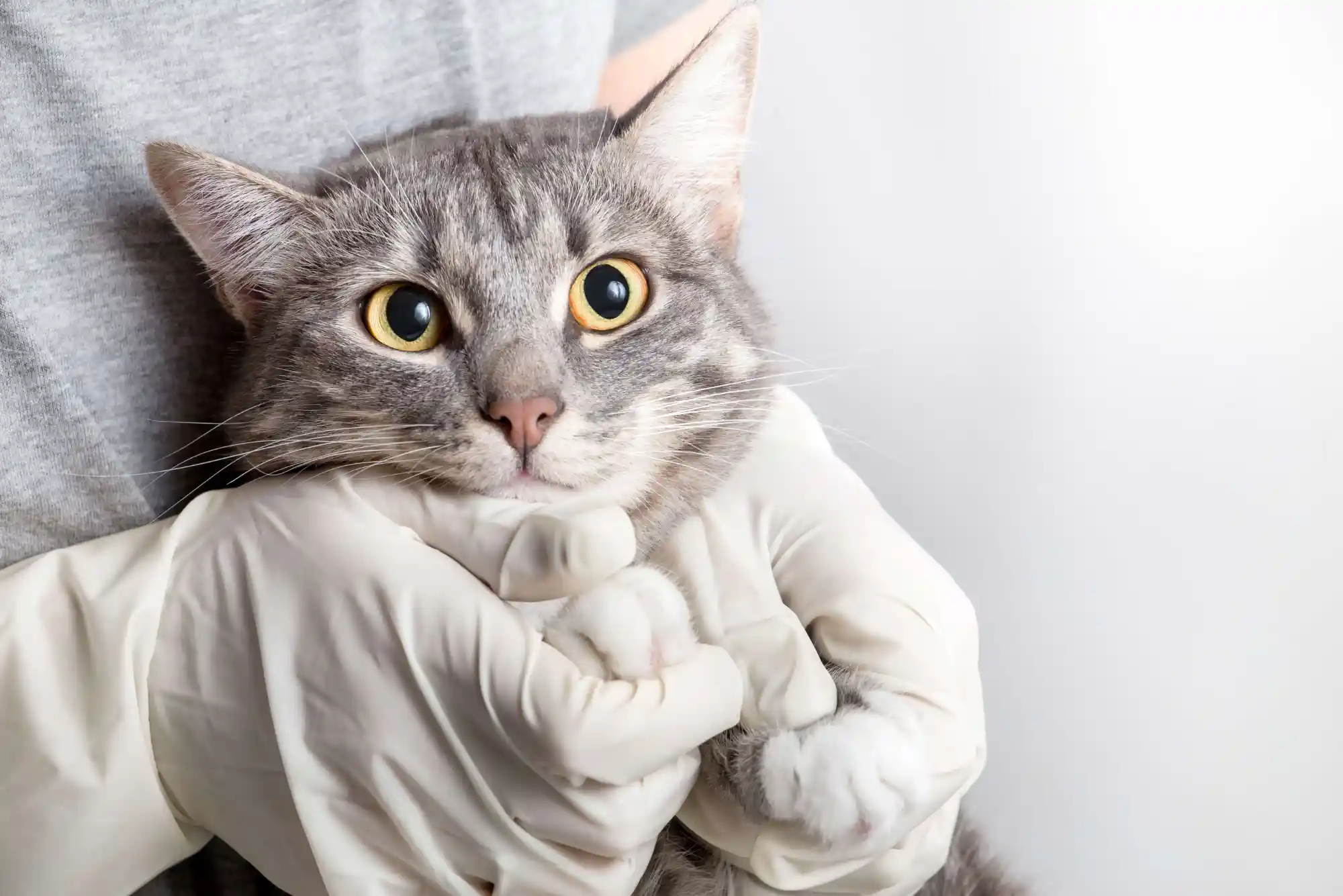
A veterinary dental examination begins with an assessment of your cat’s mouth, gums, teeth, and overall health. The veterinarian may look for inflammation, damaged teeth, plaque, tartar, unusual odor, and signs of discomfort.
However, an awake examination cannot always reveal the full extent of dental disease. Dental radiographs taken under general anesthesia can identify problems below the gumline and help determine which teeth require treatment.
For gingivitis, treatment often involves professional dental cleaning to remove plaque and tartar. If more advanced periodontal disease is present, additional procedures may be necessary. The veterinarian may also recommend a suitable home-care routine to reduce future plaque accumulation.
Treatment for tooth resorption generally focuses on removing the source of pain. Extraction is commonly recommended for affected teeth, although the appropriate surgical technique depends on the type and extent of resorption. Dental radiographs help guide treatment and confirm that the procedure addresses the affected structures.
Your veterinarian will evaluate your cat’s general health before anesthesia. Follow-up care may include pain relief, temporary dietary adjustments, and a recheck appointment. Never give human painkillers to a cat unless a veterinarian specifically directs their use, because many are toxic to cats.
Maintaining Good Cat Dental Health at Home
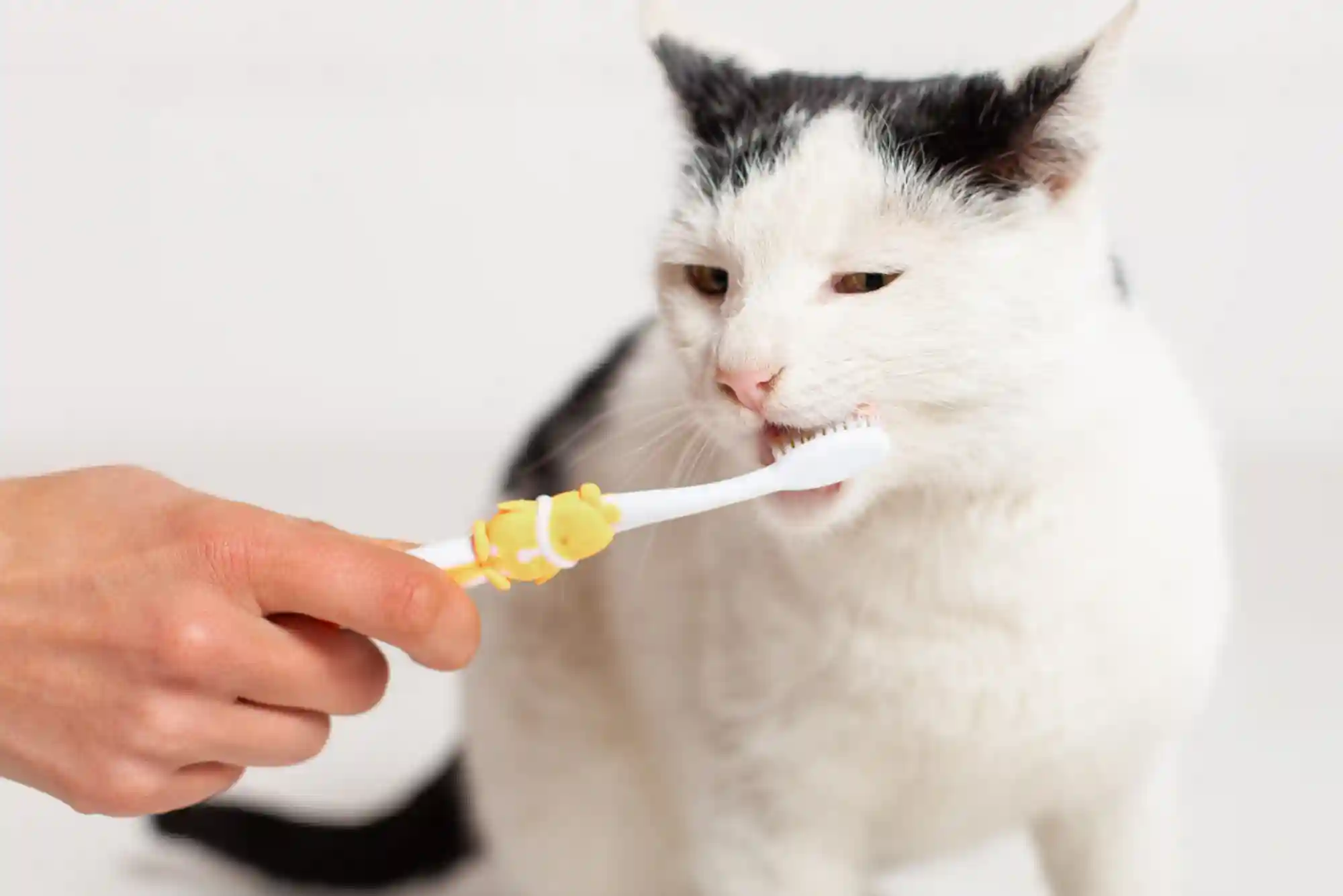
Consistent home care can help reduce plaque and support healthier gums. Brushing your cat’s teeth with a soft pet toothbrush and veterinary toothpaste is one of the most useful preventive measures. Human toothpaste should not be used because its ingredients may be unsafe for cats.
Introduce brushing gradually, particularly if your cat is unfamiliar with having its mouth handled. Start by allowing your cat to smell the toothbrush and taste a small amount of pet toothpaste. Over time, gently introduce brushing along the outer surfaces of the teeth.
Choose products specifically designed for feline dental care. Some dental diets, treats, and oral hygiene products can help control plaque when used as directed. Look for products accepted by the Veterinary Oral Health Council, where available, and ask your veterinarian which options suit your cat.
Regularly observe your cat’s eating habits and behavior. Persistent bad breath, drooling, bleeding gums, or difficulty chewing deserve veterinary attention. Never try to scrape tartar from your cat’s teeth using sharp tools, as this can injure the gums and damage the teeth.
Remember that home care supports prevention but cannot replace professional dental examinations. It also cannot reverse established tooth resorption. A combination of veterinary care and appropriate home hygiene offers the best approach to maintaining oral comfort.
When Should You Take Your Cat to the Vet?
Schedule a veterinary appointment if you notice red gums, persistent bad breath, changes in chewing, or unusual drooling. These symptoms can indicate dental disease even when your cat continues eating.
Seek prompt veterinary attention if your cat appears to be in significant pain, develops facial swelling, has bleeding from the mouth, or refuses food. A cat that cannot eat or drink comfortably may require urgent assessment.
Do not wait for your cat to stop eating before seeking help. Cats are skilled at hiding discomfort, and noticeable behavioral changes may indicate an established problem. Early examination can identify disease and help prevent unnecessary suffering.
Frequently Asked Questions
What are the first signs of gingivitis in cats?
The earliest signs often include redness along the gumline, mild swelling, and persistent bad breath. Some cats may also show sensitivity around their mouths. A veterinary examination can confirm whether gingivitis or another dental condition is present.
How can I tell if my cat has tooth resorption?
Possible signs include drooling, difficulty chewing, dropping food, and sudden jaw chattering when the mouth is touched. However, some affected cats show no obvious symptoms. Dental radiographs are often needed to confirm the diagnosis.
Can gingivitis in cats be cured?
Gingivitis can often be reversed with professional dental cleaning and appropriate home care, provided it has not progressed to more advanced disease. The veterinarian may also investigate other causes of gum inflammation if the problem persists.
Is tooth resorption painful for cats?
Yes, tooth resorption can be extremely painful, especially when the damaged area becomes exposed or affected tissues are stimulated during chewing. Cats may conceal their discomfort, so subtle changes in eating behavior should not be ignored.
How can I keep my cat’s teeth healthy?
Regular veterinary dental examinations and toothbrushing with feline toothpaste are important parts of preventive care. Appropriate dental diets and veterinary-approved products may also help reduce plaque. However, these measures cannot guarantee that tooth resorption will never develop.
Conclusion
Cat dental health deserves the same attention as nutrition, exercise, and routine veterinary care. Gingivitis can cause inflamed, painful gums, while tooth resorption gradually destroys dental tissues and often requires extraction. Both conditions can affect eating, behavior, and overall comfort.