
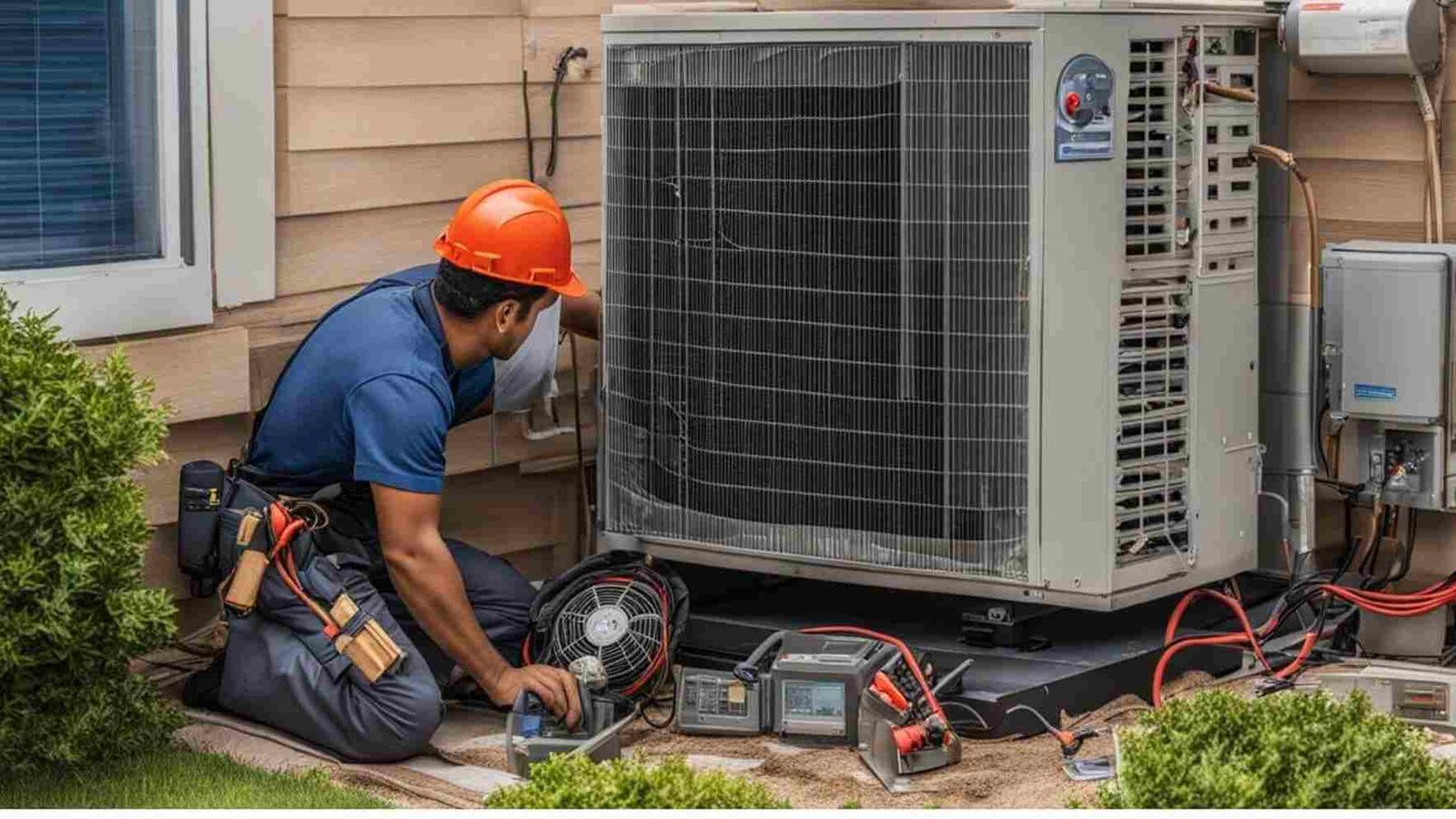
Air conditioners rarely fail without warning signs. In most cases, cooling issues start small—reduced airflow, uneven temperature, or unusual noise—before turning into full system breakdowns. Understanding advanced AC troubleshooting helps identify problems early and avoid costly repairs.
Modern HVAC systems are more complex than ever, and basic cleaning is no longer enough to maintain performance. This guide breaks down professional-level diagnostic steps used by technicians to locate faults in residential and commercial AC systems.
For professional service support, you can also explore AC installation and repair services offered by certified technicians.
Understanding How AC Cooling Systems Work
Before troubleshooting begins, it is important to understand the cooling cycle. An air conditioner removes heat from indoor air using refrigerant circulation between indoor and outdoor units.
Any disruption in this cycle—whether mechanical, electrical, or refrigerant-based—can lead to performance failure.
- Compressor: Pressurizes refrigerant
- Evaporator coil: Absorbs indoor heat
- Condenser coil: Releases heat outdoors
- Expansion valve: Controls refrigerant flow
Even minor faults in these components can cause major cooling inefficiencies.

Common Advanced AC Problems and Symptoms
Most AC failures show early warning signals that should not be ignored.
| Problem | Possible Cause | Symptom |
|---|---|---|
| Weak Cooling | Low refrigerant or clogged coil | Room not reaching set temperature |
| AC Not Turning On | Electrical failure or capacitor issue | No response from unit |
| Water Leakage | Blocked drain pipe | Dripping indoor unit |
| Strange Noise | Loose fan or compressor fault | Banging or buzzing sound |
For deeper system diagnostics, technicians often combine visual inspection with pressure testing and electrical measurement tools.
Step-by-Step Advanced AC Troubleshooting Process
Professional technicians follow a structured process to identify issues accurately.
- Check thermostat settings and calibration
- Inspect air filters for blockage
- Test power supply and circuit breakers
- Examine refrigerant pressure levels
- Inspect condenser and evaporator coils
- Check compressor performance
If the issue remains unresolved, it is recommended to consult reliable AC technicians in Dubai for advanced diagnostics. whtooo
Electrical Issues in AC Systems
Electrical faults are among the most common causes of AC failure. These issues often require technical testing tools for proper diagnosis.
- Faulty capacitor preventing compressor start
- Damaged wiring or loose connections
- Tripped circuit breakers
- Voltage fluctuations affecting performance
Electrical troubleshooting should always be handled carefully to avoid system damage or safety risks.
Refrigerant Problems and Cooling Efficiency
Refrigerant is the core element responsible for heat transfer. Low refrigerant levels or leaks directly impact cooling performance.
Signs of refrigerant issues include:
- Warm air blowing from vents
- Ice formation on coils
- Long cooling cycles
Leak detection requires specialized equipment and should be handled by professionals.
Airflow Restrictions and Maintenance Issues
Restricted airflow is often caused by poor maintenance rather than mechanical failure.
Common causes include dirty filters, blocked ducts, and obstructed vents. Regular cleaning significantly improves system efficiency.
For full maintenance solutions, explore home appliance repair services covering AC and related systems.
When to Call a Professional AC Technician
While basic troubleshooting can solve minor issues, advanced faults require expert intervention.
You should contact a technician when:
- Compressor is not functioning
- Refrigerant leakage is suspected
- Electrical faults persist
- System repeatedly shuts down
Professional diagnosis ensures long-term system stability and prevents recurring breakdowns.
Preventive Maintenance Tips
Regular maintenance reduces the risk of sudden AC failure and improves energy efficiency.
| Maintenance Task | Recommended Frequency |
|---|---|
| Air filter cleaning | Every 2–4 weeks |
| Coil inspection | Every 6 months |
| Gas level check | Yearly |
| Full system servicing | Once a year |
Conclusion
Advanced AC troubleshooting is essential for maintaining cooling efficiency and avoiding costly breakdowns. By understanding system components, identifying symptoms early, and applying structured diagnostic steps, users can significantly extend the life of their air conditioning systems.
However, complex issues such as compressor failure or refrigerant leaks should always be handled by certified professionals for safety and long-term performance.
Frequently Asked Questions
What is advanced AC troubleshooting?
It refers to professional-level diagnostic techniques used to identify complex air conditioning problems beyond basic maintenance.
Why is my AC not cooling properly?
Common reasons include low refrigerant, dirty filters, compressor issues, or airflow blockages.
Can I fix AC problems myself?
Basic issues like cleaning filters can be done at home, but electrical or refrigerant problems require professionals.
How often should AC be serviced?
At least once a year for full servicing and every few weeks for filter cleaning.
What is the most expensive AC repair?
Compressor replacement is usually the most costly repair in AC systems.
Related Reading: Advanced Washing Machine Troubleshooting