
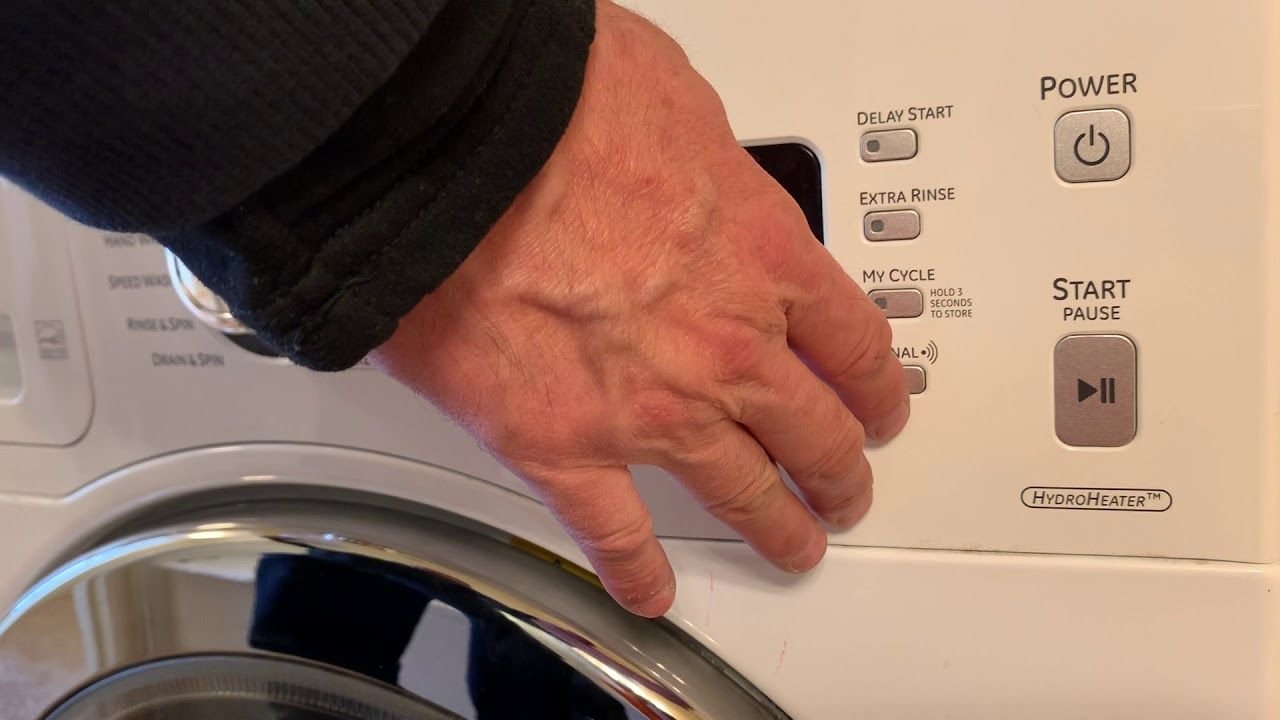
Washing machines have become one of the most essential home appliances, and when they stop working properly, daily routines are immediately disrupted. Modern machines come with advanced sensors, electronic control systems, and automated cycles, which makes troubleshooting more complex than traditional models.
Understanding how to identify faults early can help prevent costly repairs and extend the lifespan of your appliance. Many issues can be diagnosed at home before calling a technician, especially when you know what signs to look for.
Professional service providers such as refrigeratorrepair.ae offer specialized support for appliance repair and diagnostics across Dubai, including washing machine systems, ovens, and refrigerators.
Understanding How Modern Washing Machines Work
Modern washing machines operate through a combination of electronic sensors, water inlet systems, drum motors, and programmable control boards. Each component plays a role in ensuring proper washing, rinsing, and spinning cycles.
When one component fails, it often triggers a chain reaction that affects the entire system. This is why troubleshooting must be systematic rather than random guessing.
Common Signs of Washing Machine Problems
Before diving into advanced troubleshooting, it is important to recognize early warning signs. These indicators help identify whether the issue is minor or requires professional repair.

- Machine not spinning properly
- Water not draining after wash cycle
- Unusual loud noises during operation
- Door not locking or opening correctly
- Display error codes on control panel
These symptoms often indicate internal faults that may require inspection or part replacement.
Advanced Troubleshooting Techniques
Advanced troubleshooting focuses on identifying internal system failures rather than surface-level issues. Below are structured methods to diagnose common problems.
1. Electrical Supply and Power Issues
Check whether the machine is receiving stable power. Faulty sockets or voltage fluctuations can prevent proper startup or cause intermittent shutdowns.
2. Motor and Drum Functionality
If the drum is not rotating, the motor belt or internal motor may be damaged. This is one of the most common mechanical failures in washing machines.
3. Water Inlet and Drainage System
Blocked inlet valves or clogged drainage pipes can stop water flow, leading to incomplete wash cycles.
4. Control Board Malfunction
Modern machines rely heavily on electronic control boards. A failure here can result in random errors or complete system shutdown.
Washing Machine Fault Diagnosis Overview
| Problem | Possible Cause | Solution Type |
|---|---|---|
| Not Spinning | Motor belt or drum issue | Mechanical repair |
| No Water Intake | Blocked inlet valve | Cleaning or replacement |
| Excess Noise | Loose drum bearings | Technical servicing |
| Error Codes | Control board fault | Electronic repair |
When to Call a Professional Technician
Some washing machine issues require expert handling, especially when dealing with electrical or internal mechanical faults. Attempting complex repairs without experience may cause further damage.
For professional assistance, you can explore washing machine repair services in Dubai for expert diagnostics and repair solutions.
Preventive Maintenance Tips
Regular maintenance can significantly reduce the chances of breakdowns and improve machine efficiency over time.
- Clean filter regularly to avoid blockages
- Do not overload the machine
- Use recommended detergent only
- Check hoses for leaks or cracks
Installation and Proper Usage Importance
Incorrect installation is one of the hidden causes of long-term washing machine issues. Proper leveling and water connection setup ensure smooth operation and reduce vibration damage.
Professional installation services like washing machine installation service help ensure the appliance runs efficiently from day one.
Why Professional Repair Services Matter
While basic troubleshooting can be done at home, advanced issues require trained technicians. Professional repair services provide accurate diagnostics, genuine spare parts, and long-term solutions.
Reliable companies such as home appliance repair experts offer complete support for washing machines and other household appliances.
Conclusion
Advanced washing machine troubleshooting is about understanding the root cause of problems rather than applying temporary fixes. With proper diagnosis, most issues can be identified early and resolved efficiently.
However, when problems involve electrical systems or internal components, professional assistance is always recommended to avoid further damage and ensure long-term performance.
Frequently Asked Questions
What is the most common washing machine problem?
Not spinning and drainage issues are among the most common problems in modern washing machines.
Can I fix a washing machine myself?
Basic issues like cleaning filters can be handled at home, but complex faults require professional repair.
Why is my washing machine making noise?
Noise usually indicates drum, bearing, or motor-related issues.
How often should a washing machine be serviced?
It is recommended to service your washing machine once every 12 months.
What causes washing machine error codes?
Error codes are usually triggered by sensor failures, control board issues, or system malfunctions.
Related Reading: Advanced AC Troubleshooting
Related Reading: Deck & Fence Staining in London, ON
Related Reading: Tips for Renting a Car with Driver: Ultimate Guide
Related Reading: Best Betting Apps Available in UAE: Features, Safety, and User Guide — full guide
Related Reading: El crecimiento del turismo en Dubái y las noticias más relevantes — full guide
Related Reading: Real Estate Consultants — full guide
Related Reading: Certified Dishwasher Technician — full guide
Related Reading: Oven Switch Replacement — full guide