
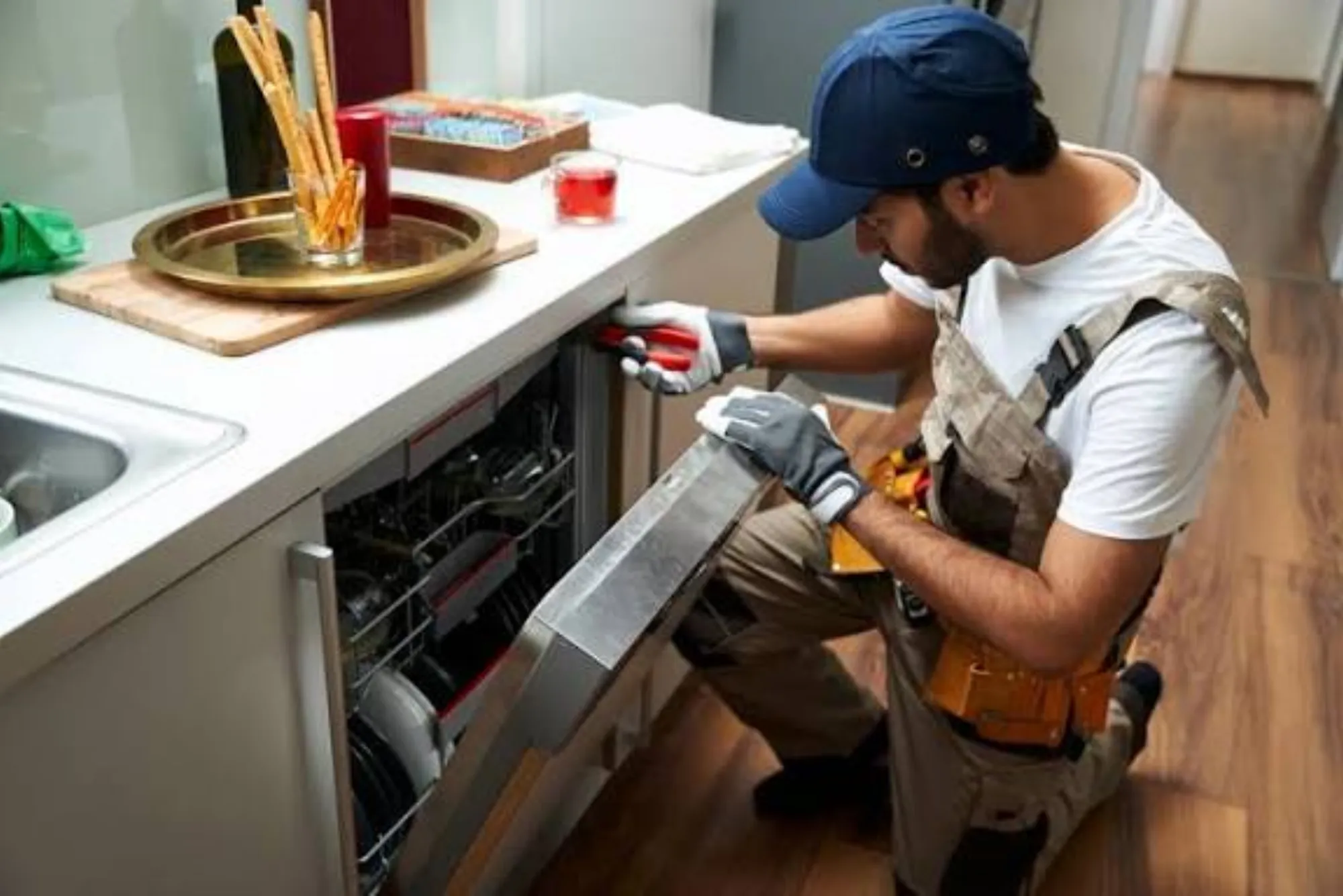
From drainage failures and water leaks to electrical malfunctions and cleaning inefficiencies, dishwashers contain complex mechanical and electronic systems that require specialized knowledge. Professional technicians are trained to diagnose problems accurately, recommend appropriate solutions, and restore appliances to optimal working condition.
Understanding the role of certified dishwasher professionals can help homeowners make informed decisions about maintenance, repairs, and long-term appliance care. In this article, we explore why certification matters, common dishwasher problems, maintenance best practices, and the value of professional repair services.
What Is a Certified Dishwasher Technician?
A Certified Dishwasher Technician is a trained appliance repair professional who specializes in diagnosing, servicing, and repairing dishwasher systems. Certification typically indicates that the technician has undergone specialized training and possesses the technical knowledge required to work on various dishwasher brands and models.
Unlike general handyman services, certified technicians understand the intricate components that influence dishwasher performance, including:
- Water inlet systems
- Drain pumps
- Spray arms
- Heating elements
- Electronic control boards
- Sensors and switches
- Door latches and seals
- Motor assemblies
Their expertise enables them to identify root causes rather than simply addressing symptoms, reducing the likelihood of recurring issues.

Why Professional Certification Matters
Dishwashers have evolved considerably over the past decade. Many modern models feature advanced electronics, smart connectivity, energy-efficient components, and sophisticated water management systems.
A certified technician stays updated on industry standards and manufacturer guidelines, ensuring repairs are completed safely and correctly.
Accurate Diagnostics
One of the biggest advantages of hiring a certified professional is accurate troubleshooting. Rather than replacing parts through trial and error, technicians use systematic diagnostic procedures to identify the exact source of the problem.
Safe Repairs
Dishwashers combine water and electricity, making improper repairs potentially dangerous. Professional technicians follow safety protocols that protect both homeowners and appliances.
Long-Term Cost Savings
Although DIY repairs may appear economical initially, incorrect repairs often lead to more expensive damage later. Professional service helps avoid unnecessary replacement costs and extends appliance lifespan.
Common Dishwasher Problems Technicians Handle
Dishwasher issues can develop gradually or appear suddenly. Certified technicians routinely address a wide range of operational problems.
| Problem | Possible Cause | Professional Solution |
|---|---|---|
| Dishes not cleaning properly | Blocked spray arms, low water pressure | System inspection and component cleaning |
| Water leakage | Damaged seals, faulty hoses | Seal replacement and leak testing |
| Not draining | Blocked drain pump or hose | Drainage system repair |
| No heating | Defective heating element | Element testing and replacement |
| Unusual noises | Motor or pump issues | Mechanical inspection and repair |
| Cycle interruptions | Sensor or control board faults | Electronic diagnostics |
Signs You Need a Certified Dishwasher Technician
Homeowners often ignore early warning signs until the dishwasher stops working completely. Recognizing these symptoms can help prevent major repairs.
Persistent Water Leaks
Water pooling around the appliance should never be ignored. Leaks may originate from damaged door seals, cracked hoses, loose connections, or faulty pumps. Professional assessment is essential to prevent water damage to flooring and cabinetry.
Homeowners experiencing leakage issues can learn more about common causes and solutions through this guide on dishwasher leaks from the bottom.
Poor Cleaning Performance
If dishes consistently emerge with food residue, cloudy surfaces, or grease buildup, the dishwasher may be experiencing circulation, filtration, or spray arm problems.
Dishwasher Stops Mid-Cycle
Unexpected interruptions often indicate sensor failures, overheating issues, control board malfunctions, or electrical problems.
For a deeper understanding of this issue, readers may find useful information in this article about why dishwashers stop during operation.
Unusual Noises
Grinding, rattling, or buzzing sounds may signal worn motors, damaged pumps, foreign objects, or loose components that require immediate attention.
The Diagnostic Process Used by Certified Technicians
Professional dishwasher repair begins with a structured diagnostic process designed to identify underlying faults.
- Visual inspection of internal and external components
- Evaluation of water supply and drainage systems
- Testing electrical connections and safety features
- Checking heating performance
- Inspecting spray arms and filters
- Analyzing error codes and electronic controls
- Confirming repair effectiveness through performance testing
This methodical approach minimizes guesswork and ensures reliable repairs.
The Importance of Regular Dishwasher Maintenance
Preventive maintenance is one of the most effective ways to reduce repair costs and extend appliance lifespan. Certified technicians often recommend routine servicing even when no obvious problems are present.
Regular maintenance helps:
- Improve cleaning efficiency
- Reduce energy consumption
- Prevent unexpected breakdowns
- Minimize water waste
- Extend component life
- Maintain manufacturer performance standards
Many homeowners benefit from scheduling periodic inspections through a professional home dishwasher repair service to identify small issues before they become major failures.
Components That Frequently Require Professional Attention
Water Inlet Valve
The water inlet valve regulates water flow into the dishwasher. Mineral buildup, wear, or electrical faults can affect its operation and reduce cleaning effectiveness.
Heating Element
The heating element is responsible for raising water temperature and supporting efficient drying cycles. A faulty heating element often results in poorly cleaned dishes and excessive moisture.
Drain Pump
The drain pump removes wastewater from the appliance. Obstructions or mechanical failure can lead to standing water inside the tub.
Spray Arms
Spray arms distribute water throughout the dishwasher. Blockages caused by food particles or mineral deposits can significantly reduce cleaning performance.
Door Seals
Worn or damaged seals frequently contribute to water leaks and should be inspected regularly.
Benefits of Hiring a Dishwasher Repair Specialist
Not all appliance technicians specialize in dishwashers. A dedicated dishwasher repair specialist offers several advantages.
- Brand-specific knowledge
- Faster diagnostics
- Access to compatible replacement parts
- Improved repair accuracy
- Enhanced safety compliance
- Long-term performance optimization
When facing recurring appliance issues, homeowners often achieve better results by consulting a qualified dishwasher repair specialist familiar with a wide range of models and technologies.
How Certified Technicians Improve Appliance Longevity
Many dishwasher failures stem from neglected maintenance or minor issues that worsen over time. Certified professionals focus on preserving appliance health through proactive care.
Key longevity strategies include:
- Removing mineral deposits
- Inspecting water pressure levels
- Cleaning internal filtration systems
- Replacing worn components before failure
- Updating electronic settings when applicable
- Verifying efficient water circulation
These measures help maintain consistent performance while reducing strain on critical components.
Common Mistakes Homeowners Make
Even well-intentioned maintenance practices can sometimes create additional problems.
Using Excessive Detergent
Too much detergent may leave residue, reduce cleaning effectiveness, and contribute to internal buildup.
Ignoring Filter Cleaning
Clogged filters restrict water flow and increase strain on the pump system.
Overloading the Dishwasher
Overcrowded racks prevent proper water circulation and may damage spray arms.
Delaying Repairs
Small issues often escalate when left unresolved. Prompt professional attention generally results in lower repair costs.
The Role of Modern Technology in Dishwasher Repairs
Today’s dishwashers include sophisticated electronic systems designed to improve efficiency and user convenience. While these technologies offer many benefits, they also require specialized diagnostic expertise.
Certified technicians frequently work with:
- Digital control panels
- Smart sensors
- Energy-saving cycles
- Water monitoring systems
- Electronic fault reporting systems
- Advanced drying technologies
Specialized training enables technicians to troubleshoot these systems accurately and maintain optimal functionality.
Choosing the Right Dishwasher Technician
Selecting the right professional can significantly impact repair quality and overall customer satisfaction.
Consider the following factors:
- Certification and technical training
- Experience with multiple brands
- Transparent diagnostic procedures
- Positive customer feedback
- Availability of replacement parts
- Warranty support for completed repairs
Reliable service providers prioritize thorough inspections, clear communication, and long-term solutions rather than temporary fixes.
Conclusion
A dishwasher is one of the hardest-working appliances in the modern kitchen, and its reliability depends heavily on proper care and professional servicing. A Certified Dishwasher Technician brings specialized expertise that helps identify problems accurately, perform safe repairs, and extend appliance lifespan.
Whether dealing with drainage issues, leaks, cleaning inefficiencies, or electronic malfunctions, professional diagnosis remains the most effective path toward restoring performance. Regular maintenance, timely repairs, and expert guidance can help homeowners maximize the value of their investment while ensuring consistent day-to-day convenience.