Maine Coon Size, Diet, and Care: The Gentle Giant Breakdown
Maine Coon Size, Diet, and Care: The Gentle Giant Breakdown explores everything owners should know about this impressive and affectionate cat breed. Known for their large bodies, luxurious coats, and friendly personalities, Maine Coons have earned a special place among cat lovers. Their gentle temperament makes them wonderful companions for many households. However, their size and thick fur require thoughtful nutrition, regular grooming, and appropriate veterinary care.
Understanding Maine Coon Size, Diet, and Care helps owners support healthy growth and long-term well-being. These cats mature more slowly than many other breeds. They also need balanced meals, regular exercise, and consistent attention to their physical needs. Whether you are considering adopting a kitten or already own an adult cat, understanding these essentials can make everyday care easier.
Understanding Maine Coon Size, Diet, and Care
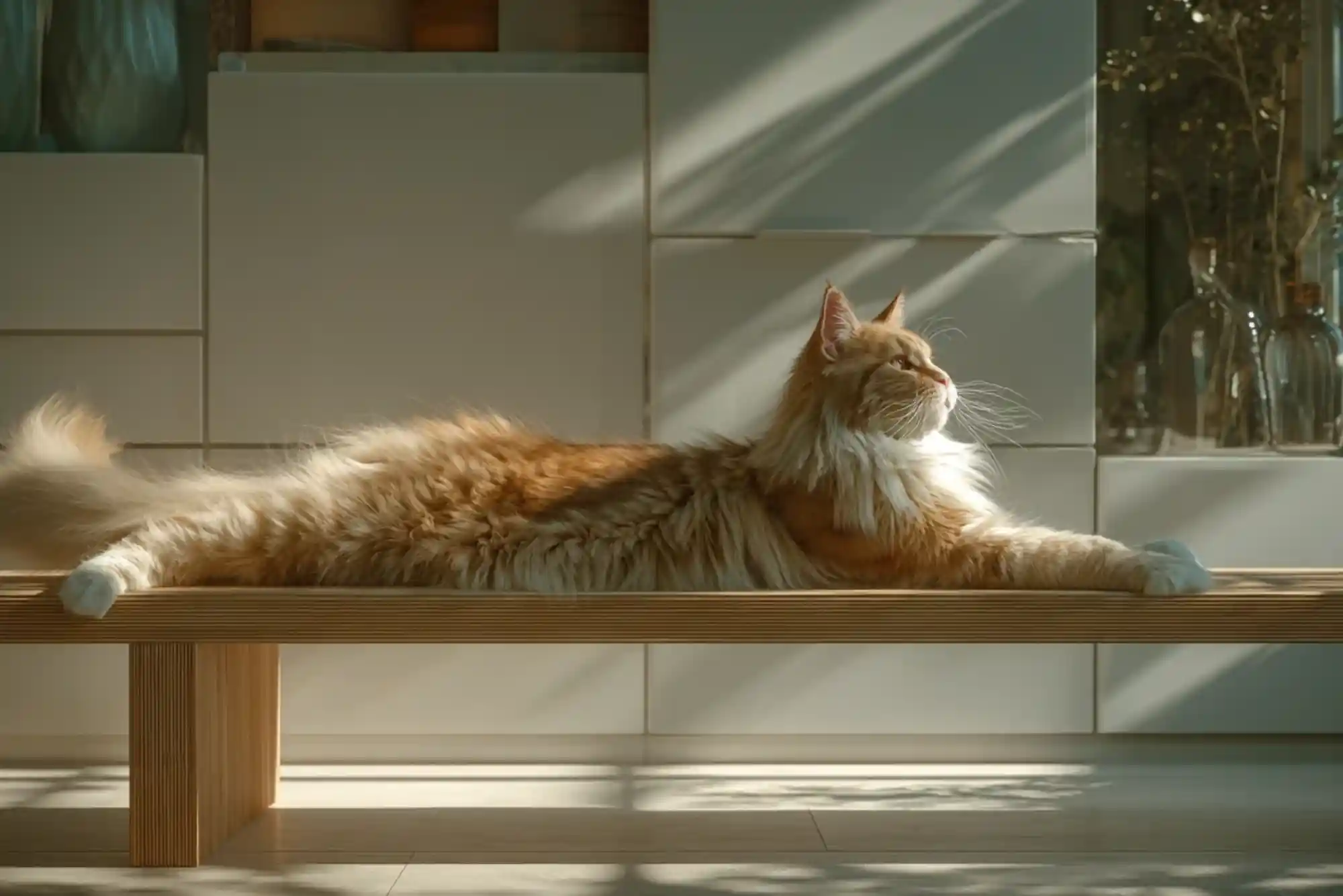
Maine Coons are among the largest domesticated cat breeds. Their substantial bodies, long tails, and broad chests give them a distinctive appearance. Despite their impressive size, they are often affectionate, playful, and sociable.
Adult males commonly weigh between 13 and 18 pounds, while females often weigh between 8 and 12 pounds. Some healthy individuals exceed these ranges. However, a cat’s overall body condition matters more than its weight alone.
Their bodies may reach approximately 40 inches in length, including the tail. Individual measurements vary according to genetics, sex, and development. Unlike many cats, Maine Coons can continue growing until they are three to five years old.
Their slow development makes appropriate nutrition especially important. Owners should avoid encouraging rapid weight gain through excessive feeding. Instead, regular veterinary assessments can help determine whether growth is progressing normally.

Maine Coons also have dense, water-resistant coats that protect them in cold conditions. Their tufted ears, large paws, and bushy tails contribute to their recognizable appearance. These features require particular attention during grooming and seasonal changes.
Maine Coon Size: Growth, Weight, and Development
How Large Do Maine Coons Become?
Maine Coons generally develop into muscular, long-bodied cats with strong bone structures. Their size can make them appear heavier than other domestic breeds. Nevertheless, healthy adults should maintain a visible waist and an appropriate body condition.
|
Growth stage |
Typical characteristics |
Main care priority |
|---|---|---|
|
0–6 months |
Rapid growth and playful behaviour |
Kitten nutrition and socialization |
|
6–12 months |
Increasing height and muscle development |
Balanced meals and active play |
|
1–3 years |
Continued body development |
Weight monitoring and preventive care |
|
3–5 years |
Many cats approach full maturity |
Adult nutrition and fitness |
These stages provide general guidance rather than strict deadlines. Individual Maine Coons mature at different rates.
Factors That Influence Maine Coon Size
Genetics strongly influences adult size. A kitten from larger parents may develop into a larger adult. However, family history cannot guarantee a particular weight or length.
Sex also affects average body size, with males typically being larger than females. Nutrition influences development, but extra calories cannot safely create a genetically larger cat. Overfeeding instead increases the risk of obesity and associated health problems.
Therefore, Maine Coon Size, Diet, and Care should focus on steady development rather than achieving the largest possible body. Your veterinarian can assess growth, muscle condition, and nutritional requirements throughout kittenhood.
Maine Coon Diet: What Should Your Cat Eat?
Nutrition is one of the most important parts of Maine Coon Size, Diet, and Care. These cats need complete, balanced food that supports their muscles, bones, skin, and coat. Their large frames do not automatically mean they require unlimited food.
Choosing High-Quality Cat Food
Maine Coons are obligate carnivores, meaning they need nutrients naturally found in animal tissues. Choose commercially prepared cat food labelled complete and balanced for the appropriate life stage. Animal-based protein helps support muscle development and maintenance.
Wet food can contribute valuable moisture to the diet. This may be particularly helpful for cats that drink little water. Dry food can also fit into a balanced feeding plan when portions and hydration are managed carefully.
Some owners combine wet and dry food for variety. The important consideration is the total nutritional intake rather than the format alone. Avoid relying on treats, table scraps, or unbalanced homemade recipes as primary nutrition.
How Much Should a Maine Coon Eat?
Food requirements depend on age, activity, body condition, reproductive status, and individual metabolism. Growing kittens generally need more calories relative to their body weight than many adults. Active cats may also require more energy than sedentary companions.
Follow the food manufacturer’s feeding guidance as a starting point. Then adjust portions according to your veterinarian’s recommendations and your cat’s body condition. Measure meals rather than estimating amounts by eye.
Adult Maine Coons often benefit from two or more measured meals daily. Kittens may need more frequent meals to support their growth. Fresh drinking water should always remain available.
Nutrients That Support Healthy Growth
Protein supports muscle development, while fats provide concentrated energy and essential fatty acids. Calcium and phosphorus contribute to healthy bones when supplied in appropriate proportions. Taurine is essential for normal feline heart function, vision, and other biological processes.
A complete commercial diet should supply these nutrients in suitable amounts. Avoid adding calcium, vitamins, or mineral supplements without veterinary guidance. Excessive supplementation can create nutritional imbalances, especially in growing kittens.
Maine Coon Grooming and Coat Maintenance
The Maine Coon’s thick, medium-to-long coat is beautiful but needs consistent attention. Its texture can vary between individuals, and some cats develop tangles more easily than others.
Brushing and Bathing
Brush your Maine Coon several times weekly, increasing the frequency when tangles or shedding become noticeable. Pay particular attention to the belly, chest, trousers, and areas behind the ears. These locations can develop mats that cause discomfort.
A suitable metal comb or cat grooming brush can help remove loose hair. Work gently and never pull forcefully on tight knots. Severe mats may require professional grooming or veterinary assistance.
Most Maine Coons do not need frequent baths unless their coat becomes dirty or a veterinarian recommends bathing. If bathing is necessary, use cat-safe products and dry the coat thoroughly.
Nail, Ear, and Dental Care
Trim the nails regularly to prevent overgrowth and reduce accidental scratches. Check the ears for unusual odours, redness, or discharge. Contact your veterinarian if these symptoms appear.
Dental hygiene deserves equal attention. Brushing with feline toothpaste can help reduce plaque accumulation. Regular veterinary dental examinations can identify problems before they become painful.
Exercise, Enrichment, and Everyday Behaviour
Maine Coons are generally intelligent, curious cats that enjoy interactive activities. Their size does not prevent them from climbing, exploring, or playing. However, they need safe opportunities to exercise indoors.
Provide sturdy cat trees, scratching posts, climbing shelves, and comfortable resting areas. Ensure elevated furniture can support their weight securely. Interactive wand toys and food puzzles encourage movement while stimulating their minds.
Daily play sessions help maintain muscle tone and reduce boredom. Rotate toys occasionally to keep activities interesting. Some Maine Coons enjoy learning simple tricks or exploring outdoors through supervised harness training.
Although many are sociable, every cat has individual preferences. Provide quiet resting spaces where your cat can retreat without disturbance. Consistent play and gentle interaction can strengthen the relationship between cat and owner.
Maine Coon Health: Conditions Owners Should Understand
Responsible Maine Coon Size, Diet, and Care includes awareness of inherited and common feline health concerns. Regular veterinary examinations help monitor changes in weight, mobility, appetite, and behaviour.
Hypertrophic Cardiomyopathy
Hypertrophic cardiomyopathy, or HCM, is a heart condition involving thickening of the heart muscle. Maine Coons can inherit a genetic variant associated with this disease. However, a genetic test cannot identify every possible case.
Responsible breeders may use genetic testing alongside veterinary heart screening. A normal result does not eliminate all future risk. Veterinary advice is especially important when there is a family history of heart disease.
Hip Dysplasia and Joint Problems
Hip dysplasia affects the development of the hip joint and may contribute to discomfort or reduced mobility. Large body size can make joint health an important consideration. Maintaining a healthy weight helps reduce unnecessary stress on the joints.
Seek veterinary advice if your cat develops stiffness, reluctance to jump, or changes in walking. Early assessment can help identify suitable management options.
Spinal Muscular Atrophy
Spinal muscular atrophy is an inherited condition associated with weakness and muscle loss. Genetic testing can help identify affected breeding lines. However, not every Maine Coon develops this condition.
When choosing a kitten, ask breeders about appropriate health testing and veterinary records. A reputable breeder should welcome questions about inherited conditions and family health history.
Frequently Asked Questions About Maine Coon Size, Diet, and Care
How big do Maine Coon cats get?
Maine Coons are large domestic cats, with adult males commonly weighing 13–18 pounds and females around 8–12 pounds. Some individuals fall outside these ranges. Healthy body condition matters more than reaching a particular weight.
What is the best food for a Maine Coon cat?
The best food is a complete and balanced feline diet suited to the cat’s age, health, and activity level. Choose food with adequate animal-based protein and essential nutrients. Your veterinarian can recommend an appropriate feeding plan when special dietary needs exist.
How often should you groom a Maine Coon?
Most Maine Coons benefit from brushing several times each week. Cats with easily tangled coats may require daily attention. Regular grooming helps remove loose hair, prevent mats, and identify skin problems early.
Do Maine Coon cats need a lot of exercise?
Maine Coons benefit from daily interactive play, climbing opportunities, and environmental enrichment. Their exercise needs vary according to age and health. Consistent activity helps support healthy muscles and weight management.
Are Maine Coon cats good family pets?
Many Maine Coons are affectionate, adaptable, and friendly with families. However, individual temperament varies. Children should learn gentle handling, and introductions to other pets should happen gradually under supervision.
How long does a Maine Coon take to reach full size?
Maine Coons often continue developing until they are three to five years old. Their bodies may gain muscle and length gradually after their first birthday. Growth rates vary, so veterinary monitoring is more useful than comparing individual cats with breed averages.
Whitedots.ae offers a modern digital experience for users seeking reliable online solutions in the UAE. Whether you are exploring useful services, discovering new opportunities, or looking for convenient digital resources, whitedots.ae provides a platform to explore information and services with ease. Its online presence helps users connect with relevant solutions while enjoying a simple and accessible browsing experience.
Conclusion: Helping Your Maine Coon Thrive
Maine Coon Size, Diet, and Care involves much more than appreciating this breed’s impressive appearance. Healthy growth depends on balanced nutrition, appropriate portion sizes, regular grooming, and consistent physical activity. Preventive veterinary care also helps identify potential health concerns early.
Although Maine Coons are naturally large cats, they should never be overfed to increase their size. Instead, focus on maintaining a healthy body condition, supporting comfortable movement, and providing daily mental stimulation.
With thoughtful care, these gentle giants can enjoy a comfortable, enriching life alongside their families. If you are planning to adopt a Maine Coon, speak with a reputable breeder or rescue organisation and consult a veterinarian about a suitable care plan. Starting with the right information helps you give your future companion the healthiest possible beginning.