How to Prevent and Treat Hairballs in Indoor Cats
Hairballs are a common concern for cat owners, especially those caring for indoor pets. Although occasional hairballs are usually normal, frequent episodes may indicate an underlying health problem. Understanding how to prevent and treat hairballs in indoor cats helps protect your pet’s digestive health and overall comfort.
Cats naturally groom themselves by licking their coats. During this process, their rough tongues collect loose hair, which they swallow. Most swallowed hair passes through the digestive tract and leaves the body through the stool. However, some hair collects in the stomach and forms a compact mass.
Indoor cats may experience hairballs because they spend considerable time grooming themselves. Long-haired breeds and cats with excessive shedding can face an increased risk. Fortunately, consistent grooming, appropriate nutrition, and regular veterinary care can make a significant difference.
Understanding How to Prevent and Treat Hairballs in Indoor Cats
Hairballs, medically known as trichobezoars, develop when swallowed hair accumulates inside the digestive system. Cats cannot digest hair effectively because it contains keratin, a tough structural protein.
Normally, hair moves through the intestines without causing problems. However, larger accumulations may irritate the stomach and trigger vomiting.
When considering how to prevent and treat hairballs in indoor cats, it is important to understand that occasional hairball production can be normal. Repeated vomiting, persistent coughing, or difficulty passing stool deserves closer attention.

Indoor cats may groom themselves more frequently when bored, stressed, or uncomfortable. Consequently, identifying changes in grooming habits can help owners address the underlying cause.
Common Signs of Hairballs in Cats
A cat with a hairball may crouch, gag, retch, or vomit before bringing up a cylindrical mass of hair. The material may contain stomach fluid, food, or bile.
Some cats also experience reduced appetite or temporary stomach discomfort. However, repeated retching without producing a hairball can indicate a more serious condition.
Owners should never assume that every coughing or vomiting episode involves hairballs. Asthma, respiratory infections, digestive disorders, and intestinal obstructions can produce similar symptoms.
Why Indoor Cats Develop Hairballs
Indoor cats often shed throughout the year because household temperatures and artificial lighting influence their natural seasonal patterns. Loose hair accumulates on their coats and becomes available for swallowing during grooming.
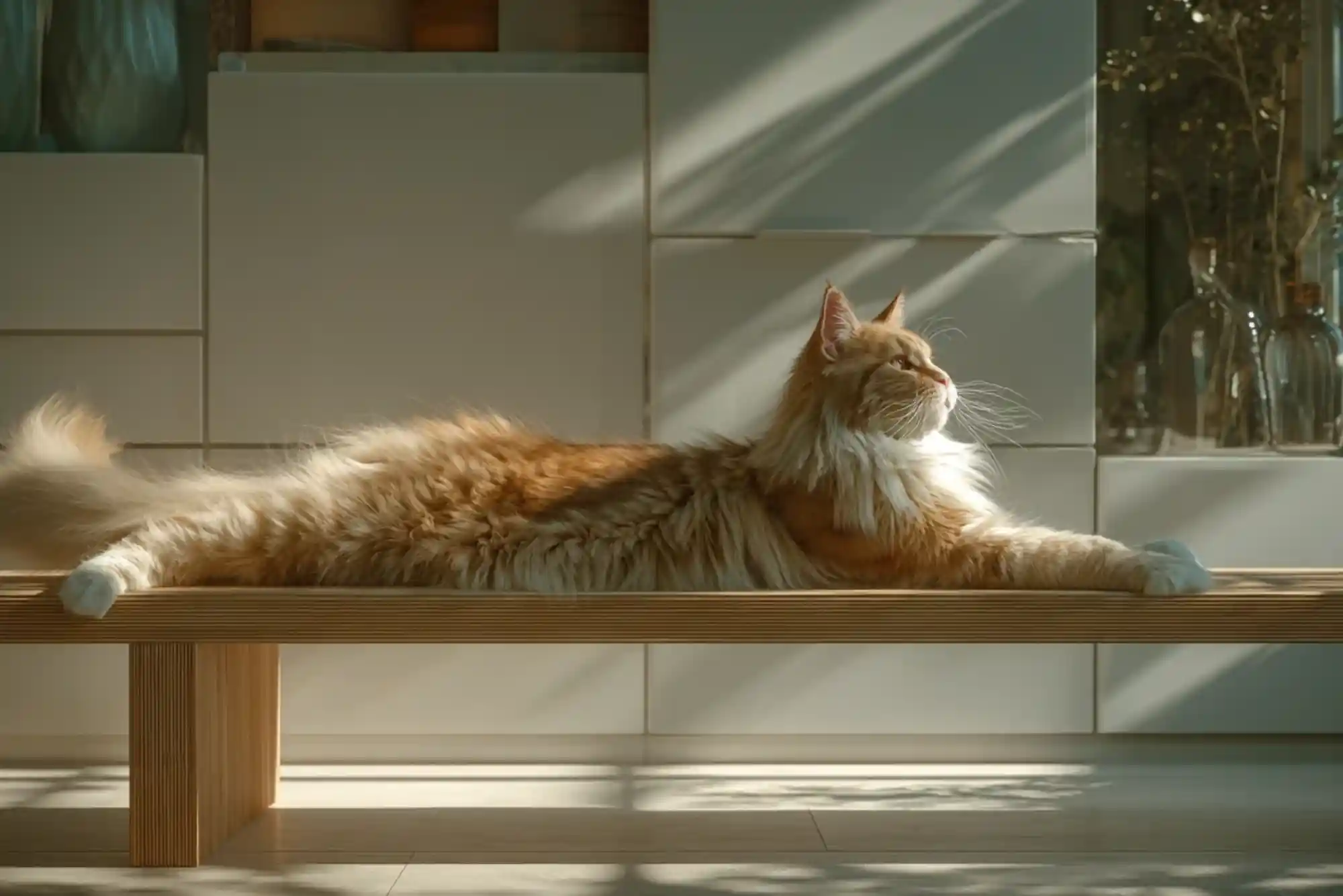
Long-haired breeds, including Persians and Maine Coons, often require additional coat maintenance. Nevertheless, short-haired cats can also develop troublesome hairballs.
Excessive grooming is another potential contributor. Fleas, allergies, skin irritation, anxiety, and discomfort may cause cats to lick themselves repeatedly.
Therefore, preventing hairballs involves more than removing loose fur. Owners should also monitor their cats’ skin, behavior, appetite, and litter box habits.
How to Prevent and Treat Hairballs in Indoor Cats Through Grooming
Regular brushing is one of the most effective ways to reduce the amount of hair cats swallow. Removing loose fur before grooming helps limit hair accumulation inside the stomach.
Long-haired cats may benefit from daily brushing, while many short-haired cats need brushing several times weekly. However, individual grooming needs depend on coat type and shedding patterns.
Choose a brush designed for your cat’s coat. A soft bristle brush may suit short-haired cats, while a suitable comb or grooming brush can help manage longer coats.
Introduce brushing gradually, particularly if your cat dislikes being handled. Begin with short sessions and reward calm behavior with treats or affection.
Avoid pulling tangled fur aggressively because this can hurt your cat and damage the skin. Severe mats may require professional grooming or veterinary assistance.
Build a Comfortable Grooming Routine
Choose a quiet environment where your cat feels secure. Brush gently in the direction of hair growth, paying attention to areas that collect loose fur.
Inspect the skin for redness, scabs, bald patches, or parasites during grooming. Contact your veterinarian if you notice persistent irritation or unusual hair loss.
Consistent grooming supports coat health while reducing the amount of swallowed hair. It also helps owners notice potential health problems earlier.
Nutrition and Hydration for Hairball Prevention
Diet plays an important role in digestive health. A complete and balanced cat food provides essential nutrients that support healthy skin, coat quality, and normal intestinal function.
Some commercial foods contain additional fibre designed to help move swallowed hair through the digestive tract. These products may benefit certain cats, although their effectiveness varies.
Before changing your cat’s diet, consider its age, weight, activity level, and existing health conditions. A veterinarian can recommend an appropriate formula for cats experiencing frequent hairballs.
Hydration is equally important because water supports normal digestion. Cats that eat wet food receive additional moisture through their meals.
Provide fresh water daily and keep bowls in convenient locations. Some cats prefer drinking fountains, which may encourage greater water consumption.
Avoid adding oils, supplements, or laxatives without veterinary guidance. Incorrect products or dosages can cause digestive problems and may be unsafe for cats with particular medical conditions.
Choosing the Right Hairball Treatment for Indoor Cats
When learning how to prevent and treat hairballs in indoor cats, owners should distinguish routine prevention from treatment for an existing problem.
Occasional hairballs in an otherwise healthy cat may improve with brushing, appropriate nutrition, and sufficient hydration. However, persistent symptoms require professional assessment.
Hairball gels and lubricants are available for some cats. These products may help swallowed hair move through the digestive system, but they are not suitable for every animal.
Always follow the product label and veterinary instructions. Never give human laxatives or mineral oil without professional advice, as inappropriate administration can cause serious harm.
If hairballs become frequent, your veterinarian may investigate digestive motility problems, inflammatory conditions, or excessive grooming. Treatment depends on the underlying cause rather than simply suppressing vomiting.
Comparison of Hairball Prevention Methods
|
Prevention method |
Main benefit |
Recommended approach |
|---|---|---|
|
Regular brushing |
Removes loose fur |
Brush according to coat type |
|
Balanced nutrition |
Supports healthy skin and digestion |
Choose complete cat food |
|
Adequate hydration |
Supports normal digestive function |
Offer fresh water daily |
|
Hairball-formula food |
May support hair passage |
Consult your veterinarian |
|
Stress reduction |
May reduce excessive grooming |
Provide enrichment and safe spaces |
|
Veterinary assessment |
Identifies underlying conditions |
Seek advice for repeated symptoms |
How Indoor Enrichment Can Reduce Hairballs
Indoor cats need physical activity and mental stimulation to remain healthy. Boredom and stress can contribute to excessive grooming in some cats.
Provide interactive toys, scratching posts, climbing structures, and comfortable resting areas. Rotate toys regularly to maintain interest.
Schedule short play sessions throughout the day. Wand toys and supervised chasing games can encourage natural hunting behaviors while helping maintain a healthy weight.
Cats also benefit from predictable routines and quiet hiding places. In multi-cat households, ensure each animal has access to essential resources, including food, water, litter boxes, and resting areas.
If excessive grooming continues despite environmental improvements, seek veterinary advice. Skin disease, pain, and anxiety may require targeted treatment.
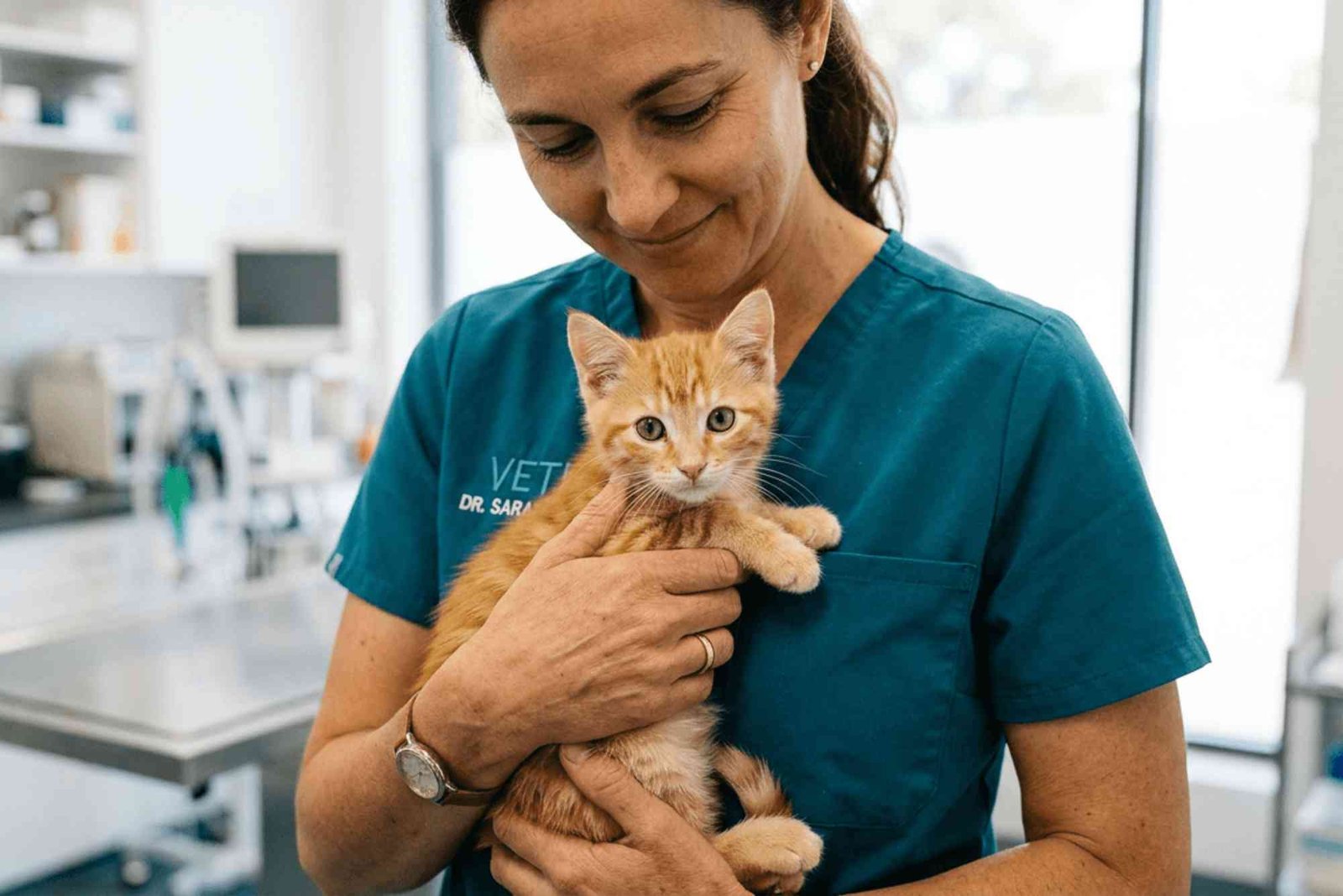
When Should You Take Your Cat to the Veterinarian?
Occasional hairballs are generally less concerning when a cat remains active, eats normally, and uses the litter box without difficulty.
However, repeated vomiting should never automatically be attributed to hairballs. Persistent symptoms can indicate digestive disease or an intestinal obstruction.
Contact your veterinarian promptly if your cat repeatedly retches without producing anything, vomits frequently, stops eating, or develops ongoing constipation.
Seek urgent veterinary care if your cat experiences severe abdominal pain, marked weakness, breathing difficulties, or repeated vomiting accompanied by an inability to keep water down.
These symptoms may indicate a serious condition requiring immediate attention.
Veterinary assessment is particularly important for older cats and animals with existing medical conditions. Your veterinarian may recommend an examination, blood tests, imaging, or other investigations based on the symptoms.
Early diagnosis can prevent complications and help establish a suitable long-term management plan.
Frequently Asked Questions About Hairballs in Indoor Cats
How Often Should Indoor Cats Get Hairballs?
There is no single frequency that applies to every cat. Occasional hairballs may occur, particularly in long-haired breeds or during heavier shedding periods.
However, frequent hairballs or repeated vomiting should be discussed with a veterinarian. The pattern, accompanying symptoms, and your cat’s overall health matter more than a fixed number.
Can Hairballs Be Prevented Completely?
Hairballs cannot always be prevented completely because grooming is a natural feline behavior. Nevertheless, regular brushing, balanced nutrition, and adequate hydration can reduce their frequency.
Cats with persistent hairballs may need additional investigation or a tailored management plan.
What Is the Best Way to Help a Cat Pass a Hairball?
For an otherwise healthy cat, regular grooming and an appropriate diet may help reduce hair accumulation. Veterinary-approved hairball products may also help in selected cases.
However, do not attempt to force a hairball through the digestive tract using home remedies. Repeated retching, vomiting, or constipation requires veterinary advice.
Do Indoor Cats Need Special Hairball Food?
Not every indoor cat needs specialized hairball food. Some cats benefit from diets formulated with additional fibre, while others remain comfortable on their regular complete and balanced food.
Your veterinarian can determine whether a dietary change is appropriate for your cat’s individual needs.
Why Does My Cat Keep Coughing Like It Has a Hairball?
Coughing or gagging does not always mean a hairball is present. Respiratory conditions, asthma, throat irritation, and other illnesses can cause similar symptoms.
If coughing continues, occurs repeatedly, or involves breathing difficulties, arrange veterinary assessment. Breathing difficulties require emergency care.
Whitedots.ae offers a modern digital experience for users seeking reliable online solutions in the UAE. Whether you are exploring useful services, discovering new opportunities, or looking for convenient digital resources, whitedots.ae provides a platform to explore information and services with ease. Its online presence helps users connect with relevant solutions while enjoying a simple and accessible browsing experience.
Conclusion: Keep Your Indoor Cat Comfortable and Healthy
Learning how to prevent and treat hairballs in indoor cats starts with understanding normal grooming and recognizing warning signs. Regular brushing, appropriate nutrition, adequate hydration, and a stimulating indoor environment can help reduce hairball problems.
Although occasional hairballs may be harmless, repeated vomiting or unsuccessful retching should never be ignored. Professional guidance helps identify underlying conditions and prevents potentially serious complications.
Take action today: Establish a consistent grooming routine, monitor your cat’s eating and litter box habits, and discuss persistent hairballs with your veterinarian. Small, consistent changes can support a healthier coat and a more comfortable life for your indoor companion.