Introduction
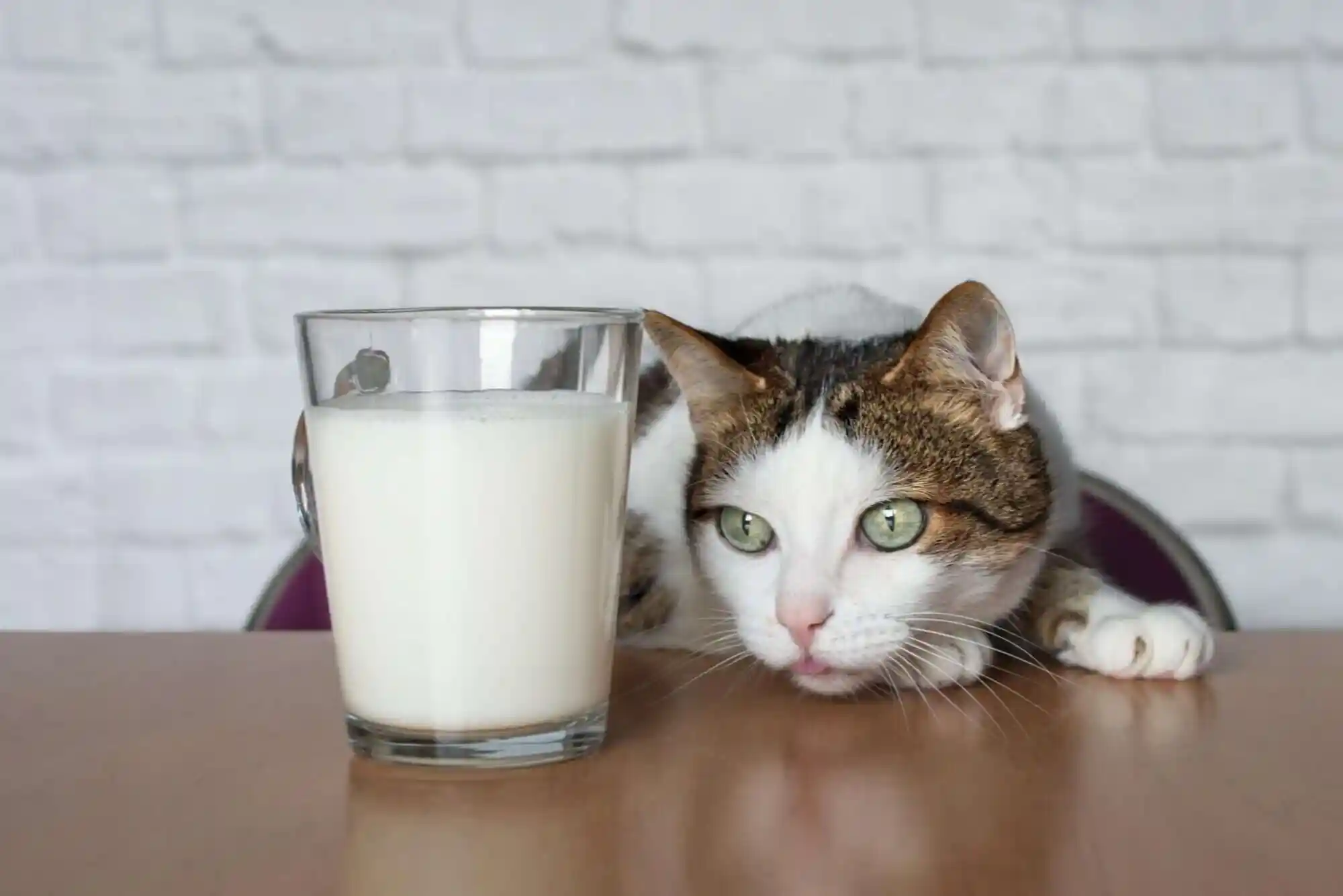
Can cats drink milk? Lactose intolerance and safe hydration are important topics for every cat owner. Many people associate cats with a bowl of milk. However, the traditional image of cats drinking milk can be misleading. Most adult cats cannot digest large amounts of lactose properly.
Kittens can digest their mother’s milk because their bodies produce an enzyme called lactase. This enzyme helps break down lactose, the natural sugar found in milk. As kittens grow, lactase production usually decreases.
Because of this change, regular cow’s milk can cause digestive problems in adult cats. Some cats may tolerate a small amount, while others may develop symptoms quickly. Therefore, milk should not replace fresh water or become a regular part of a cat’s diet.
Understanding lactose intolerance can help you make safer choices. It can also prevent unnecessary stomach problems and support proper hydration.
Can Cats Drink Milk Safely?
Can cats drink milk without experiencing problems? Technically, some cats can consume a small quantity without obvious symptoms. However, that does not mean milk is necessary or beneficial.
Most adult cats have limited ability to digest lactose. When lactose reaches the intestines undigested, it can draw water into the digestive tract. Gut bacteria can also ferment it. This process may cause diarrhea, gas, bloating, or stomach discomfort.

The effects vary between individual cats. A healthy adult cat might lick a small amount of milk without developing symptoms. Another cat could experience diarrhea after drinking the same quantity.
Therefore, milk should be considered an occasional treat rather than a hydration source. Fresh drinking water remains the safest and most appropriate beverage for cats.
Why Do Cats Become Lactose Intolerant?
Lactose intolerance happens when the body produces insufficient lactase. Lactase is an enzyme responsible for digesting lactose.
Young kittens naturally produce more lactase. They need it to digest their mother’s milk during early development. As they transition toward solid food, their need for lactase decreases.
This biological change explains why a kitten can digest its mother’s milk while an adult cat may struggle with cow’s milk. The digestive system changes as the cat matures.
It is also important to distinguish lactose intolerance from a milk allergy. Lactose intolerance involves difficulty digesting milk sugar. A milk allergy involves an immune response to milk proteins.
These conditions are different and can produce different symptoms. If your cat repeatedly reacts badly to dairy products, speak with a veterinarian.
What Happens If a Cat Drinks Milk?
The answer depends on the cat and the amount consumed. A small lick may cause no noticeable reaction. A larger serving can produce digestive upset.
Common signs include loose stools, diarrhea, excessive gas, abdominal discomfort, and vomiting. Some cats may also appear less energetic because of gastrointestinal discomfort.
Symptoms can develop several hours after consuming milk. Owners may therefore overlook the connection between the dairy product and digestive problems.
If your cat accidentally drinks a small amount of milk, there is usually no reason to panic. Monitor the cat for digestive changes and make sure fresh water is available.
However, severe diarrhea or repeated vomiting requires veterinary attention. Dehydration can become dangerous, especially in kittens, older cats, and cats with existing health problems.
Is Cow’s Milk Good for Cats?
Cow’s milk is not considered an essential food for cats. It contains nutrients, but the nutritional profile does not match a cat’s dietary needs.
Cats are obligate carnivores. Their diet requires nutrients that are naturally supplied through appropriately formulated cat food. Milk does not provide everything a cat needs for balanced nutrition.
Milk can also add unnecessary calories. Regular consumption may contribute to excessive calorie intake and weight gain.
Another concern is that milk can encourage cats to consume calories from treats instead of nutritionally complete food. For this reason, water should remain the primary beverage.
If you want to give your cat an occasional treat, choose options designed specifically for cats. Portion size should always remain appropriate for the cat’s overall diet.
Can Cats Drink Lactose-Free Milk?
Lactose-free milk removes or breaks down much of the lactose found in ordinary milk. This can make it easier for some cats to digest.
However, lactose-free milk is not automatically a healthy daily drink. It can still contain calories and fat. Some commercial products may also contain ingredients that are unsuitable for cats.
Special cat milk products are sometimes available as occasional treats. These products are generally formulated with feline digestion in mind.
Even so, cats do not need milk to stay hydrated. Fresh water provides hydration without unnecessary lactose, fat, or calories.
If your cat enjoys the taste of milk, a veterinarian-approved cat milk product may be an occasional option. It should not replace normal meals or water.
Can Kittens Drink Milk?
Kittens require milk during their earliest weeks, but the correct source matters greatly. Healthy newborn kittens should receive their mother’s milk whenever possible.
If the mother cannot nurse, kittens may need a specially formulated commercial kitten milk replacer. Ordinary cow’s milk is not an appropriate substitute.
Kittens have very different nutritional requirements from adult cats. They need specific amounts of protein, fat, vitamins, minerals, and other nutrients for rapid growth.
Giving cow’s milk to a young kitten can cause diarrhea and nutritional deficiencies. Severe diarrhea can also lead to dangerous dehydration.
If you are caring for an orphaned kitten, consult a veterinarian about feeding frequency and appropriate milk replacement. Proper nutrition during early development is especially important.
What Should Cats Drink Instead of Milk?
Fresh, clean water is the best everyday drink for cats. Water supports digestion, circulation, temperature regulation, and normal organ function.
Some cats naturally drink enough water from a bowl. Others may drink very little, particularly if they eat mostly dry food.
You can encourage better water intake by keeping several clean water sources around the home. Some cats prefer wide, shallow bowls because their whiskers do not touch the sides.
A water fountain can also encourage certain cats to drink more. Many cats are attracted to moving water.
Wet cat food is another useful way to increase daily water intake. Canned food generally contains much more moisture than dry kibble.
Keeping water fresh is equally important. Wash bowls regularly and refill them with clean water. Place water away from dirty litter areas whenever possible.
How Can You Keep a Cat Properly Hydrated?
Safe hydration is especially important because cats can be subtle about their drinking habits. A cat may not visit its water bowl frequently, yet still receive moisture through food.
Provide fresh water throughout the day and monitor changes in drinking behavior. A sudden increase or decrease in water consumption can sometimes indicate an underlying health problem.
Wet food can be particularly useful for cats that rarely drink from bowls. Adding a small amount of water to food may also increase moisture intake.
However, sudden changes should be introduced gradually. Some cats are sensitive to changes in food texture and smell.
Never force water into a cat’s mouth unless a veterinarian has specifically instructed you to do so. Improper administration can create a risk of aspiration.
Can Cats Drink Milk Every Day?
Can cats drink milk every day? Generally, milk should not become a daily beverage for an adult cat.
Regular milk consumption can repeatedly expose a lactose-intolerant cat to digestive discomfort. It can also add unnecessary calories to the diet.
Even if your cat appears to tolerate milk, there is little nutritional reason to provide it regularly. Water is simpler, safer, and better suited to everyday hydration.
If you notice diarrhea after your cat drinks milk, stop offering it. Give your cat access to fresh water and monitor the symptoms.
Persistent digestive problems should be discussed with a veterinarian. Other dietary ingredients or medical conditions can also cause similar symptoms.
Can Cats Have Other Dairy Products?
Many dairy products contain lactose, although the amount varies. Cheese, cream, yogurt, and other dairy foods may therefore cause problems for sensitive cats.
Some products contain less lactose than regular milk. However, lower lactose does not necessarily mean a product is appropriate for regular consumption.
High-fat dairy products can also contribute unnecessary calories. Certain flavored products may contain added ingredients that cats should not consume.
If you want to offer a dairy-based treat, check the ingredients carefully. It is generally safer to use products specifically formulated for cats.
Moderation is important even with feline-friendly treats. Treats should complement a balanced diet rather than replace nutritionally complete food.
Frequently Asked Questions
Can cats drink milk without getting sick?
Some cats can drink a small amount without obvious symptoms. However, many adult cats have reduced lactase production. Larger amounts may cause diarrhea, vomiting, gas, or stomach discomfort.
What kind of milk can cats drink?
Fresh water is the preferred everyday drink. Some cats may tolerate specially formulated lactose-free cat milk as an occasional treat. Ordinary cow’s milk is not necessary.
Is lactose-free milk safe for cats?
Lactose-free milk may be easier to digest because it contains little or no lactose. However, it can still provide unnecessary calories. It should not replace water or balanced cat food.
Do cats actually like milk?
Some cats enjoy milk because of its taste, smell, and fat content. However, liking milk does not mean a cat can digest it comfortably. A cat may enjoy something that still causes digestive upset.
What should I give my cat instead of milk?
Fresh, clean water is the best choice. Wet cat food can also provide significant moisture. A veterinarian-approved cat milk product may be offered occasionally if your cat tolerates it.
Can kittens drink cow’s milk?
Cow’s milk is not suitable as a replacement for a mother cat’s milk. Orphaned kittens generally need a commercial kitten milk replacer formulated for their developmental needs.
Conclusion
Can cats drink milk? Lactose intolerance and safe hydration should be considered before offering dairy to your cat. While a small amount may not cause problems for every cat, regular cow’s milk is unnecessary and can trigger digestive upset.