Introduction
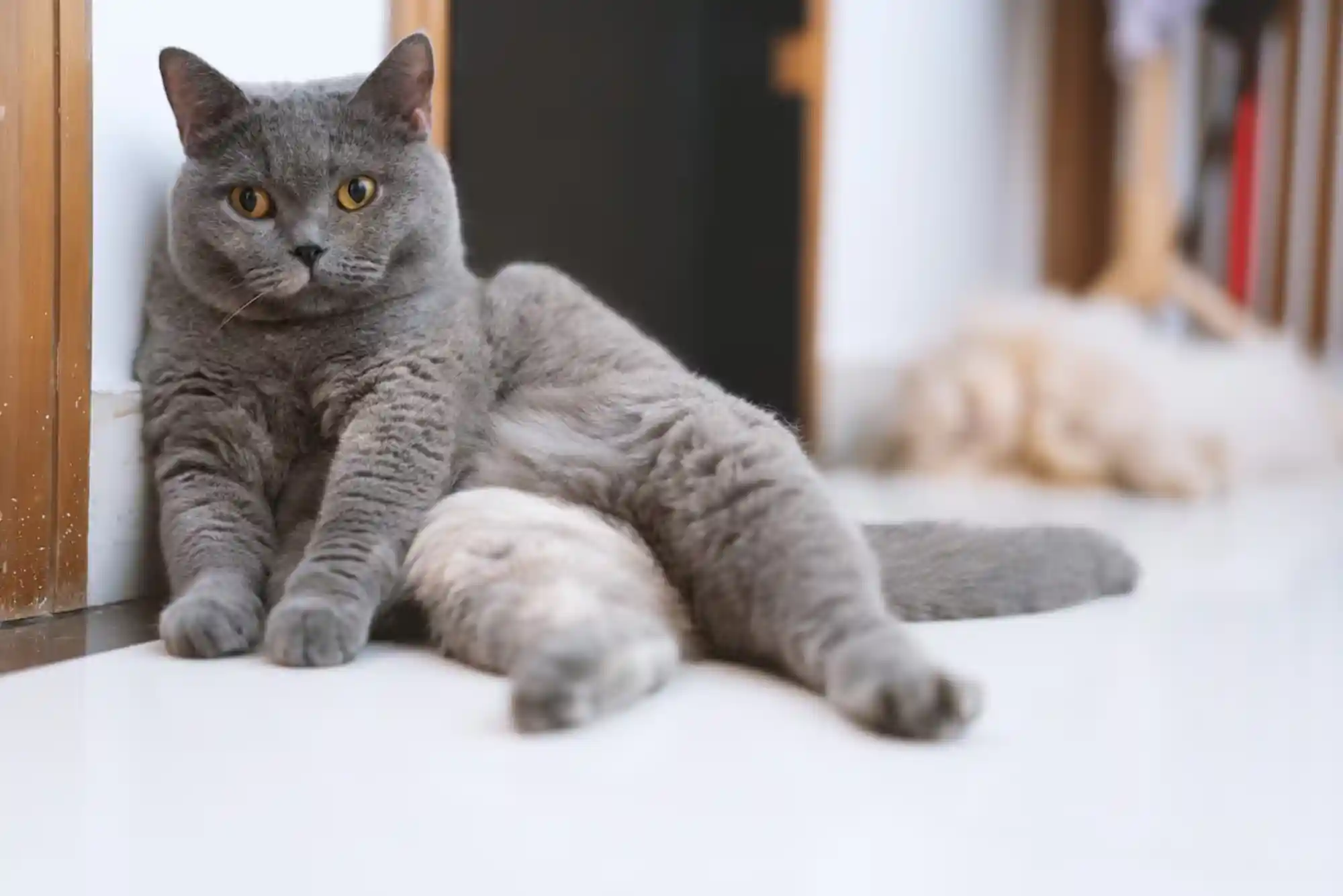
The British Shorthair care guide begins with understanding what makes this breed different from other cats. British Shorthairs are known for their round faces, sturdy bodies, plush coats, and calm personalities. They are affectionate without usually demanding constant attention, which makes them appealing to families, couples, and people living in apartments. The breed is medium to large, slow to mature, and naturally muscular.
Although their short coat looks almost effortless, proper care still matters. Their dense fur sheds, and their relaxed lifestyle can make weight gain easy if portions and activity are not managed. A good routine should therefore cover grooming, nutrition, exercise, dental care, nail trimming, veterinary checkups, and weight monitoring.
This British Shorthair care guide explains the breed’s temperament, coat requirements, healthy weight considerations, feeding habits, exercise needs, and everyday care in practical terms.
Understanding the British Shorthair Temperament
One of the biggest reasons people choose British Shorthairs is their calm and predictable nature. The Cat Fanciers’ Association describes the breed as calm and quiet, while TICA characterizes it as gentle, loyal, and somewhat reserved.
Calm but Affectionate
British Shorthairs generally enjoy being around their people without needing to be the center of attention. Instead of constantly climbing onto a lap, many prefer sitting beside their owner on a sofa or following household activities from a comfortable distance.
This does not mean they are unfriendly. They can form strong bonds with family members and often enjoy gentle attention once they feel comfortable.

Independent and Easygoing
Independence is another important part of British Shorthair temperament. These cats can entertain themselves and usually appreciate having a quiet place where they can rest undisturbed.
Their independent nature can make them suitable for households where people have regular work or school schedules. However, every cat has an individual personality, so owners should still provide companionship, enrichment, and daily interaction.
Good With Children and Other Pets
British Shorthairs are generally tolerant of children and can adapt to living with dogs or other pets when introductions are handled carefully. TICA notes that they can be tolerant of children and dogs, while CFA describes them as adaptable to different household members and pets.
Children should learn to handle them respectfully. Many British Shorthairs dislike being picked up and carried around for long periods. Allowing the cat to approach voluntarily usually creates a more positive relationship.
British Shorthair Coat Care
The British Shorthair has one of the breed’s most recognizable features: its short, extremely dense, plush coat. CFA describes the coat as particularly dense, while TICA notes that it has a firm, rich texture.
How Often Should You Brush a British Shorthair?
For most adult British Shorthairs, brushing about once a week is a practical starting point. A metal or suitable cat comb can remove loose hairs before they end up on furniture or are swallowed during self-grooming.
TICA specifically recommends regular combing and suggests extra attention during seasonal coat changes.
During heavier shedding periods, you may need to brush more frequently. The goal is not to brush aggressively but to remove loose fur while keeping the cat comfortable.
Does a British Shorthair Shed?
Yes. A short coat does not mean a no-shed coat. British Shorthairs have extremely dense fur, so loose hairs can become noticeable around the home, particularly during seasonal shedding.
Regular brushing helps control this. It can also make it easier to notice unusual skin changes, parasites, lumps, or irritated areas early.
Do British Shorthairs Need Baths?
Usually, routine bathing is unnecessary for a healthy British Shorthair. Cats are naturally effective at maintaining their coats, and the breed’s short hair generally does not tangle easily.
A bath may be appropriate if the coat becomes contaminated with something the cat cannot safely groom away. If a bath is necessary, use a cat-specific product and introduce the process gently rather than forcing the cat.
Other Grooming Needs
Coat care is only one part of grooming. Check the ears periodically for excessive wax or debris, trim the claws when necessary, and introduce tooth brushing gradually with veterinary-approved feline dental products.
PetMD also recommends regular brushing to reduce shedding and matting, along with routine checks of the eyes and ears.
British Shorthair Weight and Body Condition
Weight deserves special attention in any British Shorthair care guide because the breed has a naturally substantial appearance. A broad chest, muscular body, round head, and dense coat can make a healthy cat look heavier than it actually is.
TICA gives an adult range of approximately 8–11 pounds for females and 10–16 pounds for males. CFA notes that males can reach around 17 pounds and that females are generally smaller.
Why Weight Can Be Misleading
There is no single number that defines the ideal weight for every British Shorthair. Sex, genetics, frame size, muscle mass, age, and overall body condition all matter.
A muscular 16-pound male may have a completely different body condition from a less muscular cat weighing the same amount. For this reason, owners should avoid putting their cat on a diet simply because a scale shows a breed-average number.
British Shorthairs Mature Slowly
British Shorthairs are slow-growing cats. CFA states that the breed may take approximately three to five years to reach full maturity and development.
That means a young cat may continue developing its body, muscles, head, and overall proportions well after it appears adult-sized.
Your veterinarian can monitor growth during routine examinations and determine whether your cat is developing appropriately.
How to Recognize Excess Weight
Instead of focusing only on the number on the scale, look at body condition. You should generally be able to feel the ribs without pressing hard, while the cat should retain an identifiable waist when viewed from above.
A gradually increasing belly, difficulty feeling the ribs, reduced willingness to play, or noticeable changes in mobility can justify a veterinary assessment.
Feeding Your British Shorthair
British Shorthairs can have a healthy appetite, but their calm lifestyle means they may not burn as many calories as highly active cats. TICA specifically warns that their sedentary tendencies and love of food can contribute to weight gain.
Measure Portions Carefully
Rather than repeatedly filling the bowl whenever it becomes empty, measure daily portions according to the food’s feeding instructions and your veterinarian’s recommendations.
Individual calorie requirements vary considerably. A growing kitten, neutered adult, highly active cat, and overweight senior will not necessarily need the same amount of food.
Choose Complete and Balanced Food
Select a nutritionally complete cat food appropriate for your cat’s life stage. Kittens need nutrition designed for growth, while adult cats need a diet formulated for maintenance.
Fresh drinking water should always be available. Some cats drink more readily from fountains or wide, clean bowls, so observing your cat’s preferences can help maintain good hydration.
Be Careful With Treats
Treats are useful for bonding and positive reinforcement, but they still contain calories. If your British Shorthair is gaining weight, reducing unnecessary treats can be an easier first step than dramatically cutting its main meals.
Your veterinarian can help calculate an appropriate calorie target when weight management becomes necessary.
Exercise and Mental Stimulation
British Shorthairs are not normally considered extremely active cats. They enjoy relaxing, but that does not mean exercise can be ignored.
TICA recommends play as a way to help these cats burn calories and maintain muscle.
Use Short Daily Play Sessions
Interactive toys can encourage natural behaviors such as chasing, stalking, and pouncing. Wand toys, toy mice, balls, and food puzzles can provide variety.
Several short sessions can work better than expecting a relaxed adult cat to exercise continuously.
Make the Home More Interesting
Scratching posts, climbing areas, window perches, and safe toys can encourage movement throughout the day. Rotating toys also prevents the environment from becoming boring.
Because British Shorthairs tend to be more grounded than highly athletic breeds, enrichment does not need to involve extreme jumping or tall climbing structures.
Health Care for a British Shorthair
A responsible British Shorthair care guide should include preventive veterinary care rather than focusing only on appearance.
TICA notes that British Shorthairs can be affected by hypertrophic cardiomyopathy, commonly known as HCM, and recommends appropriate screening through veterinary care.
Regular veterinary examinations can also help identify dental disease, obesity, skin problems, changes in appetite, and other concerns before they become more serious.
Dental Care Matters
Dental hygiene is easy to overlook because cats rarely complain about mouth discomfort in an obvious way. Gradually introducing tooth brushing with cat-safe toothpaste can support better oral hygiene.
Professional dental evaluation may be necessary when there is significant tartar, gum inflammation, bad breath, difficulty eating, or other changes.
Watch for Changes in Normal Behavior
Knowing your cat’s normal routine is extremely useful. Changes in eating, drinking, litter-box habits, grooming, movement, breathing, or social behavior should not automatically be blamed on age or personality.
If a change persists or seems unusual, contact a veterinarian rather than attempting to diagnose the cause at home.
Creating a Comfortable Home
British Shorthairs generally appreciate stability and comfortable resting places. Give your cat a quiet bed or elevated resting area where it can observe the household without being disturbed.
Keep litter boxes clean and place them in accessible, relatively quiet locations. Scratching posts should also be available because scratching is normal feline behavior rather than a bad habit.
A predictable routine for meals, play, grooming, and rest can make everyday life easier for both the cat and the owner.
Common British Shorthair Care Mistakes
One common mistake is assuming that a short coat requires no grooming. The coat is easier to maintain than many long-haired breeds, but its density means regular brushing remains useful.
Another mistake is confusing a naturally chunky appearance with obesity. British Shorthairs are supposed to have substantial, muscular bodies, so weight should be assessed alongside body condition.
Free-feeding can also become problematic for cats that are inactive or highly food-motivated. Measured portions and regular monitoring provide better control.
Finally, do not ignore veterinary care simply because your cat appears healthy. Preventive examinations can identify changes that are difficult to spot at home.
Building a Healthy British Shorthair Routine
Caring for a British Shorthair is mostly about consistency. Their calm temperament and relatively manageable coat can make everyday care straightforward, but their tendency toward a relaxed lifestyle means owners should pay particular attention to portions, exercise, and body condition.
A weekly brushing routine, balanced nutrition, measured feeding, interactive play, dental care, nail maintenance, and regular veterinary examinations create a strong foundation for long-term wellbeing.
FAQs
Are British Shorthairs good house cats?
Yes. Their calm, quiet, and adaptable temperament can work well in indoor homes. They generally enjoy being near their people while also appreciating independent time.
How much does a British Shorthair weigh?
Adult females are commonly around 8–11 pounds, while males are around 10–16 pounds according to TICA. Individual healthy weights vary according to body size, muscle, age, and sex.
Do British Shorthair cats shed a lot?
They do shed, despite having short hair. Their coat is exceptionally dense, so weekly brushing can help remove loose fur and manage shedding. More frequent brushing may be helpful during seasonal coat changes.
Are British Shorthairs easy to take care of?
They are relatively straightforward to groom because their short coat does not usually tangle easily. However, they still require appropriate nutrition, exercise, dental care, grooming, and veterinary attention.
Do British Shorthairs like to be held?
Not necessarily. Many prefer having all four feet on the ground and sitting beside their owners rather than being carried. Individual personalities vary, so handling should always be gentle and respectful.
At what age is a British Shorthair fully grown?
British Shorthairs mature slowly. CFA states that full size and development may take approximately three to five years, although the exact timeline varies between individual cats.