Best Wet Food for Senior Cats with Kidney Disease and Sensitive Stomachs
Choosing the Best Wet Food for Senior Cats with Kidney Disease and Sensitive Stomachs can be challenging for cat owners. Older cats often experience several health concerns simultaneously. Kidney disease may affect appetite, hydration, and waste removal. Meanwhile, sensitive stomachs can cause vomiting, nausea, diarrhea, or digestive discomfort. The right diet can help manage these concerns while supporting overall well-being.
Wet food offers an important advantage because it contains more moisture than most dry food. However, not every wet food suits a cat with chronic kidney disease. Some formulas contain excessive phosphorus, while others may not provide the nutritional balance required for aging cats. Therefore, understanding veterinary nutrition recommendations is essential before choosing a suitable product.
Why the Best Wet Food for Senior Cats with Kidney Disease and Sensitive Stomachs Matters
Chronic kidney disease, commonly called CKD, affects the kidneys’ ability to filter waste and maintain fluid balance. As the disease progresses, cats may develop reduced appetite, weight loss, dehydration, and nausea.
Senior cats with sensitive stomachs face additional challenges. Rich ingredients, sudden dietary changes, or certain proteins may trigger digestive symptoms. Consequently, their food must support kidney function while remaining easy to tolerate.
The best wet food for senior cats with kidney disease and sensitive stomachs should provide appropriate phosphorus levels, high-quality protein, adequate calories, and additional moisture. It should also contain essential vitamins and minerals.
Veterinary kidney diets are often recommended because they are specifically formulated for cats with impaired kidney function. Nevertheless, individual nutritional needs vary depending on disease stage, body condition, laboratory results, and digestive tolerance.

What Makes Wet Food Suitable for Kidney Disease?
Controlled Phosphorus Levels
Phosphorus management is a central part of nutritional care for feline kidney disease. Damaged kidneys may struggle to eliminate excess phosphorus, allowing levels to increase in the bloodstream.
Veterinary renal diets generally contain controlled phosphorus levels. This nutritional approach can help manage kidney disease and support quality of life.
When comparing products, check the nutritional information and consult your veterinarian. Ordinary senior cat food is not necessarily equivalent to a therapeutic renal diet.
High-Quality Protein in Appropriate Amounts
Protein supports muscle maintenance, tissue repair, and essential body functions. However, cats still require adequate protein, even when they have kidney disease.
Renal diets typically provide carefully adjusted protein alongside reduced phosphorus. Excessive protein restriction can contribute to muscle loss, particularly in older cats.
Your veterinarian can recommend an appropriate balance based on your cat’s condition. Avoid switching to a low-protein diet without professional guidance.
Increased Moisture for Better Hydration
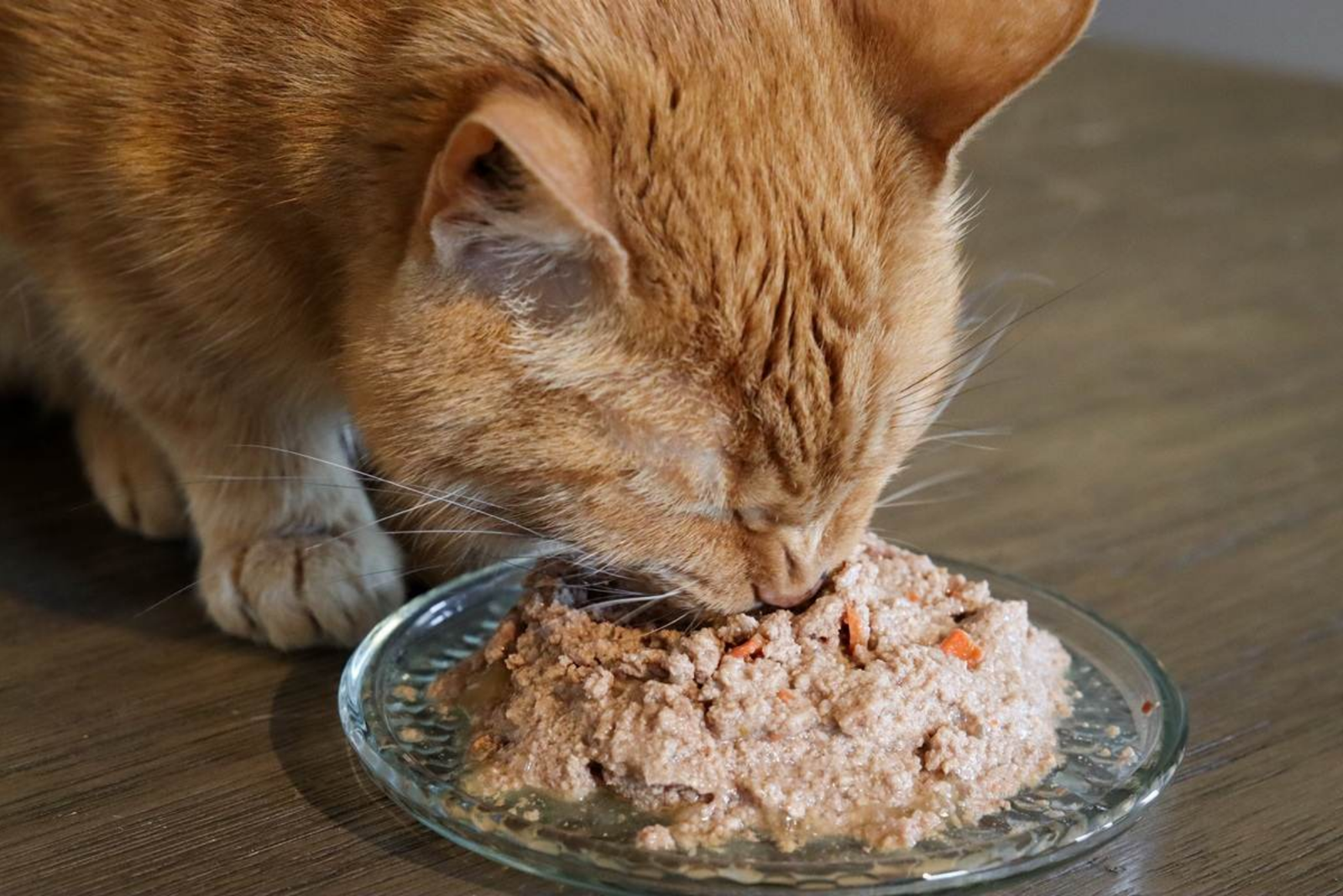
Wet food usually contains substantially more water than dry kibble. This additional moisture can help support hydration in cats that do not drink enough independently.
Cats with kidney disease may produce larger quantities of urine. Therefore, maintaining adequate fluid intake becomes particularly important.
The best wet food for senior cats with kidney disease and sensitive stomachs should encourage consistent eating while contributing to daily moisture intake.
Best Wet Food for Senior Cats with Kidney Disease and Sensitive Stomachs: Suitable Options
Different food categories serve different nutritional purposes. The most appropriate choice depends on whether your cat needs therapeutic kidney support, digestive management, or both.
| Food category | Main benefit | Important consideration |
|---|---|---|
| Veterinary renal wet food | Controlled phosphorus and adjusted protein | Usually requires veterinary guidance |
| Renal food with smooth pâté texture | May be easier to eat and portion | Texture does not guarantee digestive tolerance |
| Veterinary gastrointestinal wet food | Supports specific digestive problems | May not provide adequate kidney-disease management |
| Limited-ingredient wet food | May help investigate certain food sensitivities | Must still meet renal nutritional requirements |
| Complete senior wet food | Provides balanced everyday nutrition | May contain more phosphorus than a renal diet |
Veterinary Renal Diets
Prescription renal diets are generally the first option to discuss with your veterinarian. They are designed to address important nutritional concerns associated with chronic kidney disease.
Examples include Hill’s Prescription Diet k/d, Royal Canin Veterinary Renal, and Purina Pro Plan Veterinary Diets NF Kidney Function.
These products are not interchangeable in every situation. Formulations, textures, availability, and nutritional profiles differ by market.
Some cats prefer pâté, while others accept minced or gravy-based foods more readily. Choosing an acceptable texture can make a substantial difference when appetite is reduced.
Gastrointestinal Diets for Sensitive Stomachs
Veterinary gastrointestinal wet foods may help cats experiencing vomiting, diarrhea, or other digestive difficulties. However, their nutritional composition varies, and many are not specifically formulated for kidney disease.
Using a gastrointestinal diet alone may therefore leave important kidney-related nutritional needs unmet.
If your cat has both conditions, ask your veterinarian whether a renal diet, a combined feeding strategy, or another individualized formula is appropriate.
Limited-Ingredient Formulas
Some cats experience digestive symptoms related to particular food ingredients. A veterinarian may recommend a hydrolyzed-protein diet or a carefully selected novel-protein formula when food sensitivity is suspected.
However, limited-ingredient foods are not automatically kidney-friendly. Their phosphorus content, protein levels, calorie density, and nutritional completeness still require evaluation.
How to Choose the Right Food for Your Cat
The best wet food for senior cats with kidney disease and sensitive stomachs is one that meets medical needs and remains appealing enough to eat consistently.
Start by reviewing your cat’s kidney function, phosphorus levels, body weight, and hydration status with a veterinarian. These details help determine whether therapeutic renal food is appropriate.
Next, consider digestive symptoms. Frequent vomiting, persistent diarrhea, constipation, or nausea may require additional investigation rather than a simple food change.
Food texture also matters. Smooth pâté can be easier for some cats to consume, especially when dental discomfort affects chewing. Other cats prefer softer chunks with gravy.
Finally, monitor food intake and body condition. A nutritionally appropriate food cannot provide its intended benefits if your cat refuses to eat it.
Feeding Tips for Cats with Kidney Disease and Sensitive Digestion
Introduce a new food gradually whenever your veterinarian considers a transition appropriate. Mixing increasing amounts of the new food with the previous diet over approximately seven to ten days may improve acceptance.
Some cats require a slower transition, particularly when digestive symptoms are present. Follow your veterinarian’s advice if a therapeutic diet has been prescribed.
Serve wet food at room temperature or warm it slightly to enhance its aroma. Avoid overheating, which can create hot spots and make the food uncomfortable to eat.
Offer smaller, more frequent meals if large portions trigger nausea or digestive discomfort. Refrigerate opened food promptly and follow the manufacturer’s storage instructions.
Fresh drinking water should always be available. Some cats also enjoy drinking from a pet fountain, although individual preferences vary.
Never force-feed a cat without veterinary direction. Cats that eat very little can develop serious complications, and prolonged inadequate food intake requires prompt attention.
Ingredients and Feeding Mistakes to Avoid
Avoid choosing food based solely on attractive packaging, senior labels, or claims about sensitive digestion. These descriptions do not confirm that a formula meets renal dietary requirements.
Do not assume grain-free food is automatically healthier. Grain exclusion does not guarantee lower phosphorus levels or better digestion.
Avoid adding supplements, mineral products, or homemade ingredients without veterinary advice. Some additions can disrupt the nutritional balance of a therapeutic diet.
Sudden food changes can also worsen digestive symptoms. Furthermore, excessive dietary restriction may reduce calorie intake and accelerate muscle loss.
Treats deserve attention, too. Many contain substantial phosphorus or contribute unnecessary calories. Ask your veterinarian which treats are suitable for your cat’s treatment plan.
Frequently Asked Questions
What is the best wet food for senior cats with kidney disease and sensitive stomachs?
Veterinary renal wet food is often the preferred starting point for cats with chronic kidney disease. Hill’s Prescription Diet k/d, Royal Canin Veterinary Renal, and Purina Pro Plan Veterinary Diets NF are options to discuss with your veterinarian.
The ideal formula depends on kidney function, digestive symptoms, appetite, and individual tolerance.
Should cats with kidney disease eat wet food or dry food?
Wet food can help increase moisture intake, which is beneficial for many cats with kidney disease. However, some cats benefit from a combination of wet and dry therapeutic foods.
The most important factors are nutritional suitability, adequate calorie intake, and consistent acceptance.
Can kidney disease cause an upset stomach in older cats?
Yes. Kidney disease can contribute to nausea, vomiting, and reduced appetite as waste products accumulate. However, digestive symptoms can also result from food sensitivities, pancreatitis, infections, or other medical problems.
Persistent symptoms deserve veterinary assessment.
Is prescription kidney food necessary for every senior cat?
Not every older cat needs a renal diet. Senior cats with diagnosed chronic kidney disease may benefit from therapeutic nutrition, depending on disease severity and laboratory findings.
Healthy senior cats generally need a complete, balanced diet appropriate for their age and condition.
How can I encourage my older cat with kidney disease to eat?
Try offering small portions, gently warming the food, and experimenting with veterinarian-approved textures. Keep feeding areas quiet and comfortable.
If your cat refuses food or eats substantially less than usual, contact your veterinarian promptly. Do not wait for significant weight loss before seeking help.
Whitedots.ae offers a modern digital experience for users seeking reliable online solutions in the UAE. Whether you are exploring useful services, discovering new opportunities, or looking for convenient digital resources, whitedots.ae provides a platform to explore information and services with ease. Its online presence helps users connect with relevant solutions while enjoying a simple and accessible browsing experience.
Conclusion
Finding the Best Wet Food for Senior Cats with Kidney Disease and Sensitive Stomachs requires balancing kidney support, digestive tolerance, hydration, and adequate nutrition. Veterinary renal diets are often an excellent starting point, but cats with additional gastrointestinal problems may need an individualized feeding plan.
Choose food based on veterinary recommendations rather than marketing claims alone. Monitor appetite, body weight, vomiting, stool quality, and drinking habits as your cat adjusts.
Take the next step: Speak with your veterinarian about your cat’s latest kidney test results and digestive symptoms. Together, you can select a suitable wet food that supports comfort, nutrition, and quality of life throughout the senior years.