Introduction
Cats are exceptionally skilled at hiding discomfort. In the wild, displaying vulnerability makes animals targets for predators. Our domestic felines retain this evolutionary instinct. Consequently, cat owners often miss early indicators of illness or joint distress. Learning how to tell if your cat is in pain: subtle subtle signs of feline sickness allows you to intervene before mild discomfort becomes severe.
Subtle shifts in daily routines, posture, grooming, and social habits usually serve as the first warnings of physical distress. Because felines rarely cry out or limp visibly, recognizing these quiet signals requires careful observation. Recognizing how to tell if your cat is in pain: subtle subtle signs of feline sickness protects your pet’s health, preserves their quality of life, and ensures timely veterinary care.
Behavioral Changes That Signal Feline Discomfort
A sudden or gradual shift in your cat’s personality is one of the most reliable indicators of physical suffering. Cats are creatures of habit, so noticeable deviations from their typical routines deserve immediate attention.
Increased Hiding and Social Withdrawal
When a cat feels sick or sore, its primary goal is self-preservation. A cat that usually greets you at the door might suddenly retreat under the bed, inside closets, or behind furniture. This social withdrawal protects them from perceived threats while they feel weak. If your affectionate companion becomes distant or quiet, consider physical discomfort as a primary cause.
Uncharacteristic Aggression or Irritability
Pain reduces a cat’s tolerance for handling and interaction. A gentle cat may hiss, growl, swat, or bite if you touch a sore spot or approach too quickly. This uncharacteristic defensive reaction is their way of guarding themselves against further injury. Never punish a cat for sudden aggression; instead, evaluate whether a health issue is driving the response.
Changes in Vocalization Patterns
Vocal changes vary depending on the individual cat. Some cats become unusually quiet, while others express distress through persistent, low-pitched meowing or yowling. Surprisingly, excessive purring can also indicate pain. Cats purr not only when content but also to self-soothe during periods of extreme stress, illness, or trauma.

Physical and Postural Indicators of Pain
Observing how your cat moves, rests, and carries its body offers direct visual clues regarding its internal state. Subtle changes in body language often reveal localized or systemic pain.
The Hunched Posture and Guarded Stance
A comfortable cat rests in a relaxed, loose position. Conversely, a cat in pain often sits in a tight, hunched position with its head lowered, eyes half-closed, and paws tucked tightly underneath the body. This rigid posture helps shield sore internal organs or painful joints from pressure.
Facial Grimacing and Eye Changes
Veterinary research identifies specific facial changes associated with feline discomfort, often categorized using the Feline Grimace Scale. Look for flattened or sideways-turned ears, squinted eyes, tight muzzles, and whiskers held straight or pulled backward. Additionally, dilated pupils at rest can signal systemic pain or neurological stress.
Altered Gait and Hesitation to Move
Joint conditions like arthritis affect a high percentage of aging cats. You may notice your cat hesitating before jumping onto furniture, choosing lower resting spots, or using intermediate steps to reach higher surfaces. Stiff movements upon waking, shuffling steps, or a reluctance to navigate stairs all point toward chronic musculoskeletal discomfort.
Changes in Routine and Daily Maintenance
Disruptions in basic daily activities often provide clear evidence that a cat requires medical assistance.
Grooming Habits: Under-Grooming vs. Over-Grooming
Cats spend hours each day grooming their coat. When movement causes pain, they may stop grooming entirely, leading to a dull, greasy, or matted coat, especially along the lower back and hindquarters. Alternatively, localized pain—such as bladder inflammation or joint soreness—can trigger compulsive licking over a specific body area, leading to hair loss or skin raw spots.
Litter Box Accidents and Mobility Issues
If a house-trained cat suddenly stops using the litter box, physical pain is often responsible rather than behavioral issues. High-sided litter boxes require jumping or stepping over tall edges, which causes strain on arthritic hips and spines. Painful conditions like urinary tract infections, constipation, or kidney issues also make urinating or defecating uncomfortable, causing the cat to associate the litter box with pain.
Reduced Appetite and Altered Eating Behaviors
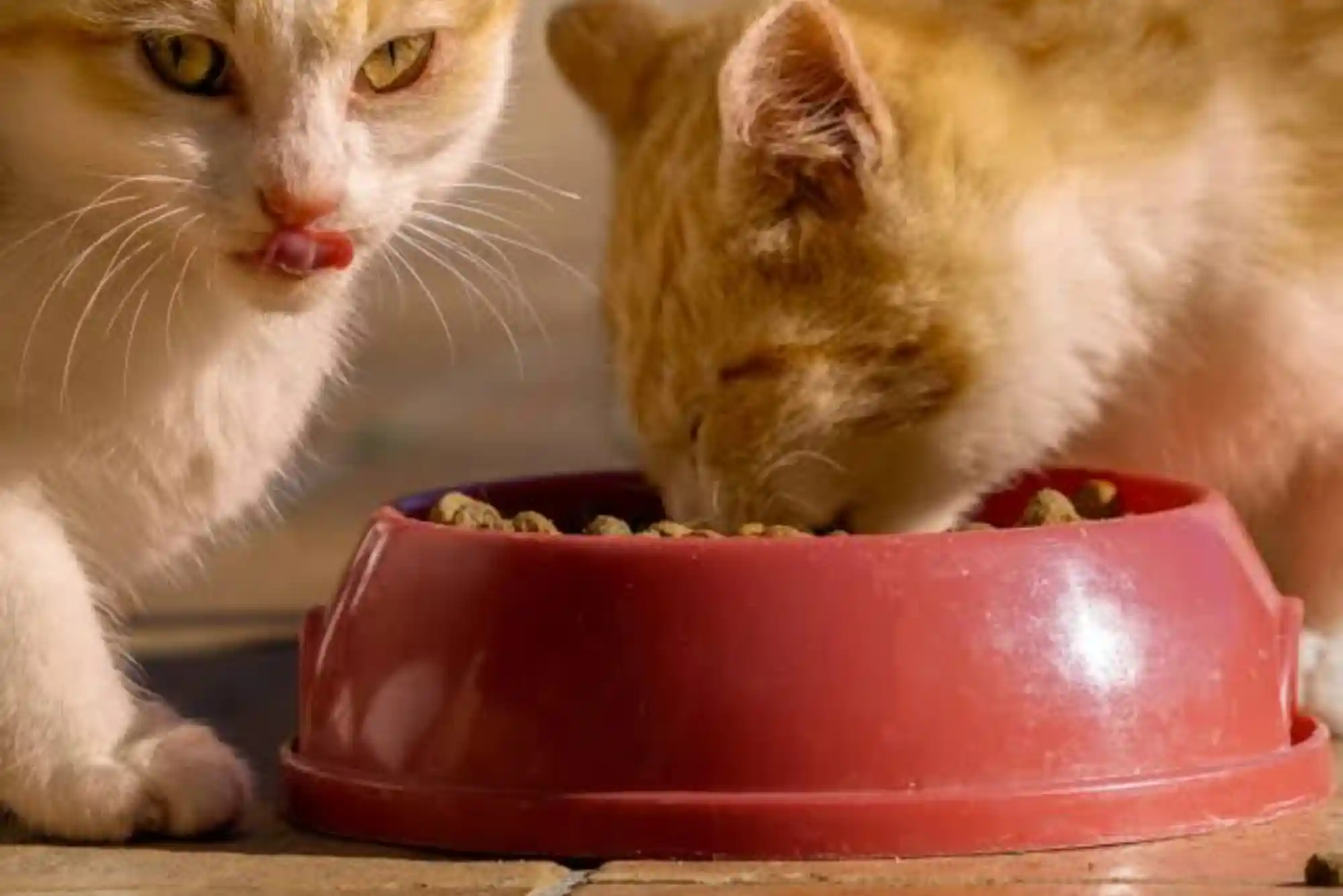
A loss of interest in food or water is an urgent signal of feline illness. Dental disease, oral ulcers, and gastrointestinal issues make chewing and swallowing painful. You might notice your cat approach the food bowl enthusiastically but back away without eating, drop kibble while chewing, or tilt its head awkwardly during meals.
Common Causes of Feline Pain
Understanding the underlying sources of discomfort helps owners anticipate health needs and respond effectively. Feline pain generally falls into acute or chronic categories.
Chronic Conditions in Senior Cats
Osteoarthritis, chronic kidney disease, pancreatitis, and cancer are frequent causes of ongoing pain in older cats. Because chronic pain develops gradually, owners often mistake slowing down, sleeping more, or reduced mobility for natural aging. Identifying these signs early allows for effective long-term management through medication, dietary support, and environmental accommodations.
Acute Injuries and Medical Emergencies
Sudden pain stems from trauma, soft tissue injuries, abscesses from fights, soft tissue infections, or acute urinary blockages. Severe acute pain requires immediate emergency veterinary intervention. Prompt diagnosis prevents complications, relieves suffering, and speeds recovery.
How to Help a Cat in Pain
If you suspect your cat is suffering, avoid administering human pain medications. Common over-the-counter drugs like acetaminophen, ibuprofen, and aspirin are highly toxic to felines and can prove fatal even in tiny doses.
Contact your veterinarian immediately to schedule a thorough physical evaluation. Note specific behavioral changes, postural shifts, or appetite disruptions to share during your visit. Video recordings of your cat moving or resting at home provide valuable diagnostic context for your vet.
While awaiting your appointment, create a quiet, low-stress environment for your pet. Move essential resources—such as food, water, and low-entry litter boxes—to floor level where your cat can reach them easily without jumping or climbing stairs. Provide soft, warm bedding away from household noise and traffic.
Frequently Asked Questions
How can I tell if my cat is in pain or just getting old?
Aging itself is not a painful process, but age-related health conditions cause noticeable physical discomfort. If your older cat sleeps excessively, stops jumping, or hesitates on stairs, these changes often point to treatable conditions like arthritis rather than natural slowing down. A veterinary checkup can help differentiate between normal aging and pain.
Why do cats purr when they are in pain?
Purring triggers the release of endorphins and acts as a natural self-soothing mechanism. Cats purr during times of contentment, but they also purr when frightened, injured, or facing severe illness. If purring accompanies hiding, reduced appetite, or altered posture, it often indicates discomfort.
What position do cats sit in when they feel sick or sore?
A cat in pain typically adopts a hunched, guarded posture with its head tucked low, back slightly arched, and paws gathered tightly beneath its body. They often hold their facial muscles tense, keep their eyes partially closed, and orient their ears outward or downward.
Can a cat stop eating completely due to pain?
Yes, severe physical pain or oral distress can cause a cat to stop eating altogether. Anorexia in cats is a medical emergency that can lead to serious liver complications, such as hepatic lipidosis, within 24 to 48 hours. Seek immediate veterinary assistance if your cat refuses food for more than a day.
Conclusion
Mastering how to tell if your cat is in pain: subtle subtle signs of feline sickness empowers you to act as an attentive advocate for your pet’s well-being. Because felines naturally hide weakness, tracking small shifts in behavior, posture, grooming habits, and appetite provides vital clues about their underlying health. Early identification of physical discomfort allows for effective treatment, pain management, and improved recovery outcomes.