Introduction
Hairballs are one of those unmistakable parts of living with a cat. You hear the hacking, rush over, and discover a small, unpleasant tube of fur on the floor. Although occasional hairballs can be normal, frequent vomiting, repeated gagging, or difficulty passing hair can signal a bigger problem.
Indoor cats can be particularly prone to hairballs because they spend much of their time grooming themselves. Loose fur gets swallowed during licking and usually passes through the digestive system in the stool. However, some hair can collect in the stomach and eventually form a hairball.
Learning how to prevent and treat hairballs in indoor cats starts with understanding why they happen. Regular grooming, appropriate nutrition, good hydration, and attention to changes in your cat’s behavior can make a significant difference. Cornell University notes that daily brushing can reduce the amount of loose hair a cat swallows, helping minimize hairball formation.
What Causes Hairballs in Indoor Cats?
Cats naturally groom themselves by licking their coats. Their rough tongues contain tiny backward-facing structures that catch loose and dead hairs. When your cat swallows those hairs, most eventually travel through the digestive tract and leave the body through the stool.
Hair itself is largely made of keratin, a protein that the digestive system cannot easily break down. When enough hair remains in the stomach, it can become tangled with mucus and digestive fluids, forming a compact mass.
Long-haired cats, including Persians and Maine Coons, generally have a higher risk because they have more fur to manage. Cats that groom excessively may also swallow considerably more hair.

Indoor living can contribute indirectly. An indoor cat may groom frequently because of boredom, stress, skin irritation, or simply because grooming is part of its normal routine. If your cat suddenly starts licking or chewing its coat much more than usual, do not automatically assume the problem is just hairballs. Skin allergies, parasites, and other conditions can trigger excessive grooming.
Are Hairballs Normal for Indoor Cats?
An occasional hairball is usually not a reason to panic. Some otherwise healthy cats may bring up a hairball every week or two without developing lasting problems. However, the important factor is the overall pattern.
A cat that produces an occasional recognizable hairball and immediately returns to normal behavior is very different from a cat that repeatedly retches without producing anything.
Frequent vomiting should also not automatically be blamed on hairballs. Cats can vomit because of gastrointestinal disease, dietary problems, parasites, foreign objects, or other medical conditions. Cornell advises veterinary evaluation when vomiting becomes frequent or occurs alongside symptoms such as lethargy, weakness, appetite loss, diarrhea, or other changes.
This is why learning how to prevent and treat hairballs in indoor cats involves more than buying a hairball remedy. You need to know when a hairball is simply inconvenient and when it could be a warning sign.
How Regular Grooming Helps Prevent Hairballs
The most practical way to reduce hairballs is to remove loose fur before your cat swallows it.
Brush Your Cat Regularly
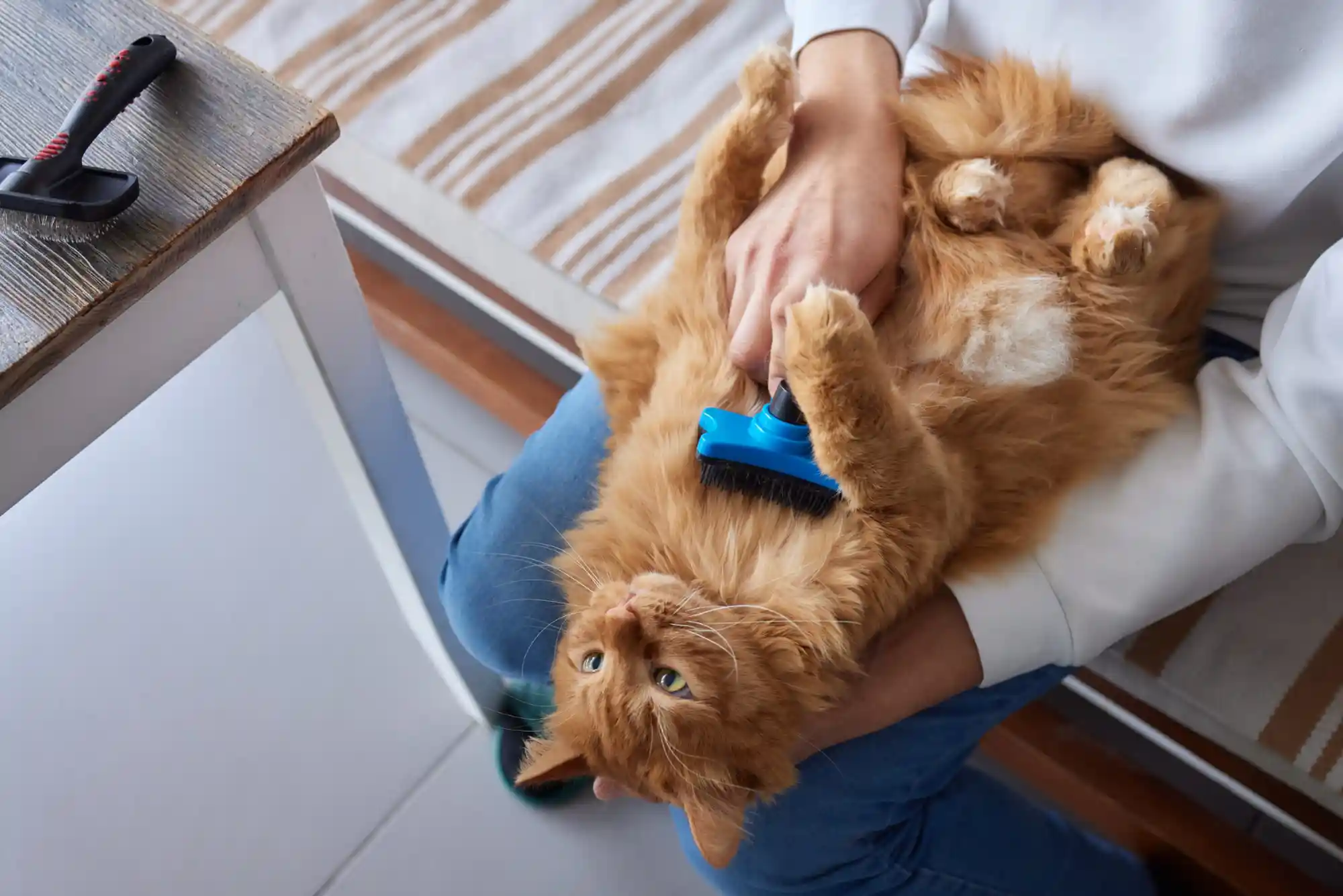
Brushing removes dead and loose hair from the coat before your cat can ingest it during grooming. For many cats, a consistent brushing routine is more useful than waiting until shedding becomes heavy.
Long-haired cats may benefit from daily brushing, particularly during periods of increased shedding. Short-haired cats may need less frequent grooming, although regular brushing is still useful.
Cornell recommends daily brushing and combing as a way to minimize hairball development. Grooming also gives you an opportunity to notice fleas, skin irritation, mats, lumps, or unusual changes in the coat.
Choose the Right Grooming Tool
The best brush depends on your cat’s coat. A soft bristle brush may work well for a short-haired cat, while a comb or appropriate deshedding tool can be more effective for a long-haired cat.
Avoid aggressively pulling through mats. Painful grooming can make your cat fearful and may turn brushing into a daily battle. Severe mats may require professional grooming or veterinary assistance.
The goal is simple: make grooming comfortable enough that your cat accepts it as part of normal life.
Keep Your Indoor Cat Hydrated
Hydration supports normal digestive function and helps maintain healthy stool consistency. Since swallowed hair normally leaves the body through the digestive tract, adequate fluid intake is an important part of overall digestive health.
Some cats naturally drink very little from a traditional water bowl. You can encourage drinking by keeping fresh water available in several locations or offering a fountain if your cat prefers moving water.
Wet food can also contribute to daily water intake. However, any significant dietary change should be introduced gradually to avoid upsetting your cat’s stomach.
Good hydration is especially important if your cat also struggles with constipation. Cornell notes that hydration is an important component of managing constipation, while dietary fiber may sometimes be used under veterinary guidance.
Can Diet Help Prevent Hairballs?
Diet can play a role in managing hairballs, but there is no single food that works for every cat.
Some commercial cat foods are specifically formulated for hairball management. These diets may contain increased or specialized fiber intended to help move swallowed hair through the digestive tract.
However, switching food simply because your cat has produced a hairball is not always necessary. Your cat still needs a nutritionally complete diet appropriate for its age, health, and lifestyle.
If hairballs are frequent, discuss your cat’s diet with your veterinarian before making major changes. A veterinarian can determine whether a hairball-focused diet is appropriate or whether another underlying issue needs attention.
Fiber supplements should also be approached carefully. Too much fiber can cause diarrhea or interfere with nutrient absorption, while the appropriate amount depends on the individual cat and the type of fiber being used.
Hairball Remedies: Do They Really Work?
Hairball gels and lubricating products are commonly marketed for cats. Some are designed to help hair move through the digestive tract rather than remain in the stomach.
However, these products should not be treated as an automatic solution for every episode of vomiting.
Cornell specifically advises owners to consult a veterinarian before giving laxatives to cats. Products marketed for hairball relief can also vary considerably, and inappropriate use may create additional problems.
If your veterinarian recommends a particular hairball product, follow the instructions provided for your cat rather than increasing the amount because you want faster results.
Most importantly, never assume that repeated vomiting means your cat simply needs more hairball gel.
How to Treat a Hairball at Home Safely
If your cat has produced a typical hairball and is otherwise acting normally, eating, drinking, and using the litter box normally, you generally do not need to panic.
Give your cat access to fresh water and continue its normal feeding routine unless your veterinarian has advised otherwise. Keep grooming consistent so additional loose hair is removed from the coat.
Avoid experimenting with human medications, oils, laxatives, or other household remedies. Cats process many substances differently from humans, and something that seems harmless can be dangerous.
If hairballs are happening repeatedly, the better approach is to investigate why. Your veterinarian may look at your cat’s coat, skin, diet, digestive health, grooming behavior, and overall condition.
When Hairballs Become a Veterinary Emergency
A hairball can occasionally become lodged in the digestive tract. Intestinal obstruction is uncommon, but it can be extremely serious and may require intensive veterinary treatment or surgery.
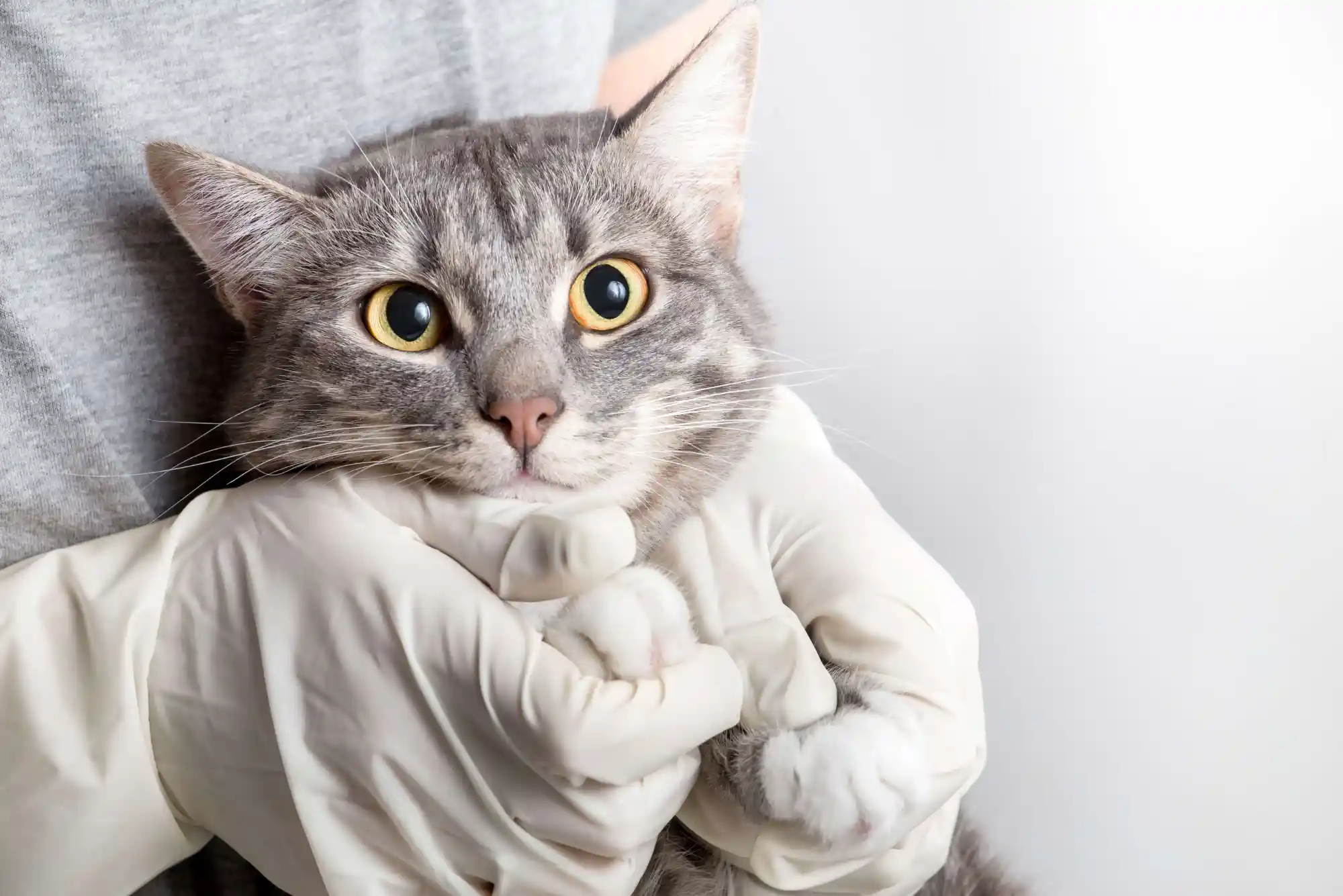
Repeated unproductive retching is particularly concerning. If your cat keeps gagging or attempting to vomit but nothing comes out, do not assume it is trying to bring up a stubborn hairball.
Other warning signs include loss of appetite, pronounced lethargy, repeated vomiting, abdominal discomfort, constipation, or significant changes in normal behavior.
A cat that refuses food for an extended period or appears seriously unwell should be evaluated promptly. Cornell also points out that repeated hacking may sometimes be caused by respiratory disease, such as asthma, rather than a hairball.
In other words, prevent and treat hairballs in indoor cats does not mean treating every cough or vomiting episode as a hairball.
How Stress and Skin Problems Can Increase Hairballs
Excessive grooming is an important clue.
Cats may groom more when they experience stress, boredom, allergies, parasites, or skin irritation. More grooming means more swallowed hair, which can eventually mean more hairballs.
If your cat repeatedly licks one particular area, develops bald patches, scratches frequently, or has irritated skin, look beyond the hairball itself.
Your veterinarian may need to investigate fleas, allergies, infections, or other dermatological conditions. Cornell notes that excessive grooming and increased hair ingestion can be associated with food-allergy-related skin problems.
Environmental enrichment can also help an indoor cat stay mentally occupied. Interactive play, climbing opportunities, scratching surfaces, window access, and predictable routines can all make indoor life more engaging.
Hairballs in Long-Haired Indoor Cats
Long-haired cats deserve extra attention because their coats naturally produce more loose fur.
Persians, Maine Coons, Ragdolls, and other long-haired cats can benefit from consistent combing to prevent loose hair and mats from accumulating.
Do not wait until your cat develops visible mats before starting a grooming routine. Once a coat becomes tangled, brushing can become uncomfortable and difficult.
For cats that strongly resist grooming, a professional groomer experienced with cats may be useful. In some cases, your veterinarian can also recommend an appropriate grooming strategy.
Daily brushing is especially valuable during heavier shedding periods because it removes loose fur before it ends up in your cat’s stomach.
How to Build a Hairball Prevention Routine
The best hairball strategy is usually simple and consistent.
Make grooming part of your cat’s normal routine rather than treating it as an occasional emergency. A few calm minutes of brushing can remove a surprising amount of loose fur, particularly from a long-haired cat.
Keep clean drinking water available every day. Feed a complete and balanced diet, and discuss hairball-specific food with your veterinarian if your cat experiences frequent problems.
Pay attention to the litter box as well. Changes in stool frequency, constipation, appetite, or behavior can provide useful clues about digestive health.
Finally, keep track of how often your cat produces hairballs. One isolated episode is very different from several episodes every week. Keeping a simple record can help your veterinarian determine whether the pattern is normal for your cat.
A Little Grooming Goes a Long Way
Knowing how to prevent and treat hairballs in indoor cats is mostly about prevention, observation, and knowing when something is not normal. Regular brushing reduces the amount of loose fur your cat swallows, while good hydration and appropriate nutrition support healthy digestion.
Occasional hairballs can be part of normal feline life. But frequent vomiting, repeated dry retching, appetite loss, lethargy, constipation, or other behavioral changes should never simply be dismissed as “just hairballs.”
Start with a consistent grooming routine and monitor your cat’s coat, appetite, drinking, stool, and behavior. If hairballs continue despite your efforts, talk with your veterinarian about the safest next step.
FAQs
How do I stop my indoor cat from getting hairballs?
The most effective starting point is regular grooming. Brushing removes loose hair before your cat can swallow it. Daily brushing is particularly useful for long-haired cats. Maintaining hydration and feeding a nutritionally appropriate diet can also support normal digestive function. If hairballs remain frequent despite these measures, speak with your veterinarian.
How often should I brush my cat to prevent hairballs?
Long-haired cats often benefit from daily brushing, while short-haired cats may require less frequent grooming. During heavy shedding periods, increasing brushing frequency can help remove additional loose fur. The ideal schedule depends on your cat’s coat and tolerance for grooming.
What is the best treatment for hairballs in cats?
For an otherwise healthy cat with an occasional hairball, prevention through regular grooming is usually the most useful approach. Veterinarians may recommend specific hairball diets or products when appropriate. Do not give laxatives or other remedies without veterinary guidance.
Can hairballs make cats sick?
Yes. Most hairballs are harmless when occasionally regurgitated, but a large hairball can potentially obstruct the digestive tract. Repeated vomiting, unproductive retching, appetite loss, or lethargy requires veterinary attention.
Why does my cat keep gagging but no hairball comes out?
Repeated unproductive gagging should not automatically be blamed on a hairball. A digestive obstruction or respiratory problem may cause similar signs. Cornell specifically notes that frequent hacking can sometimes indicate respiratory disease such as asthma. Contact your veterinarian promptly if the gagging continues.
Do hairball foods really help cats?
Some hairball-focused diets are designed to help move swallowed hair through the digestive system. However, they are not necessary for every cat and may not address the underlying reason for excessive hair ingestion. Ask your veterinarian whether a hairball diet is appropriate for your individual cat.
Is it normal for my cat to vomit hairballs every week?
Some cats can produce a hairball every week or two without developing lasting problems. However, frequent vomiting deserves attention, particularly if the episodes are increasing or occur with appetite loss, lethargy, diarrhea, or other symptoms.